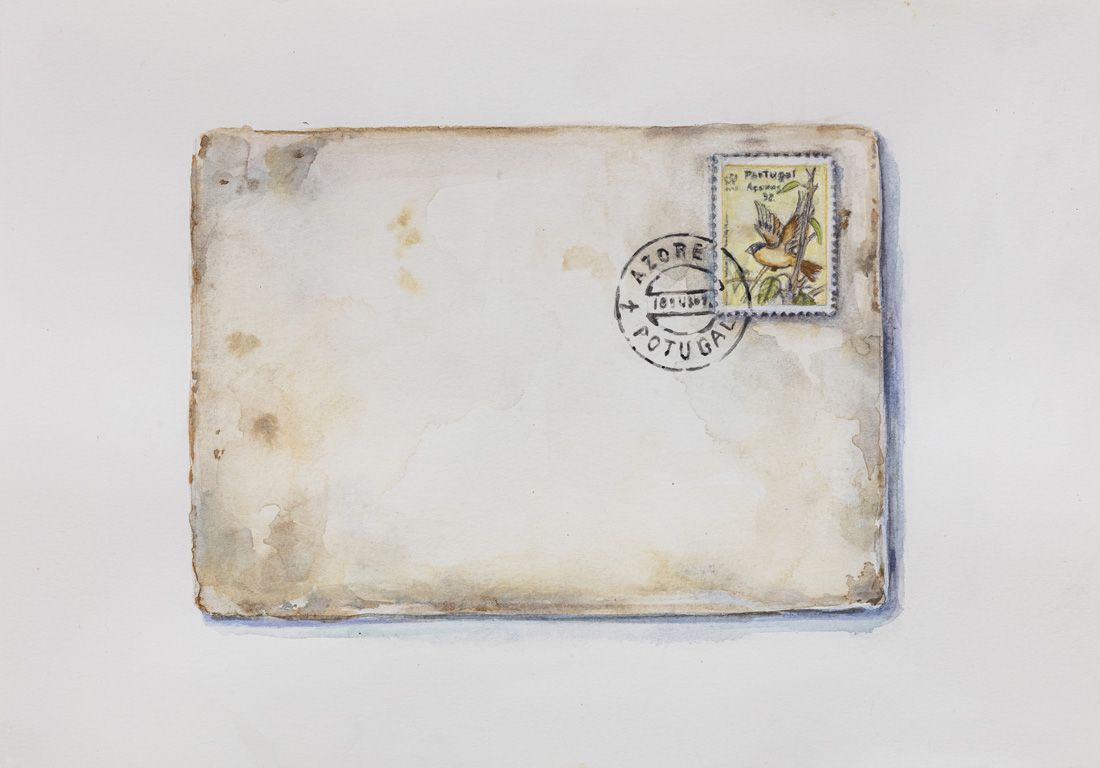
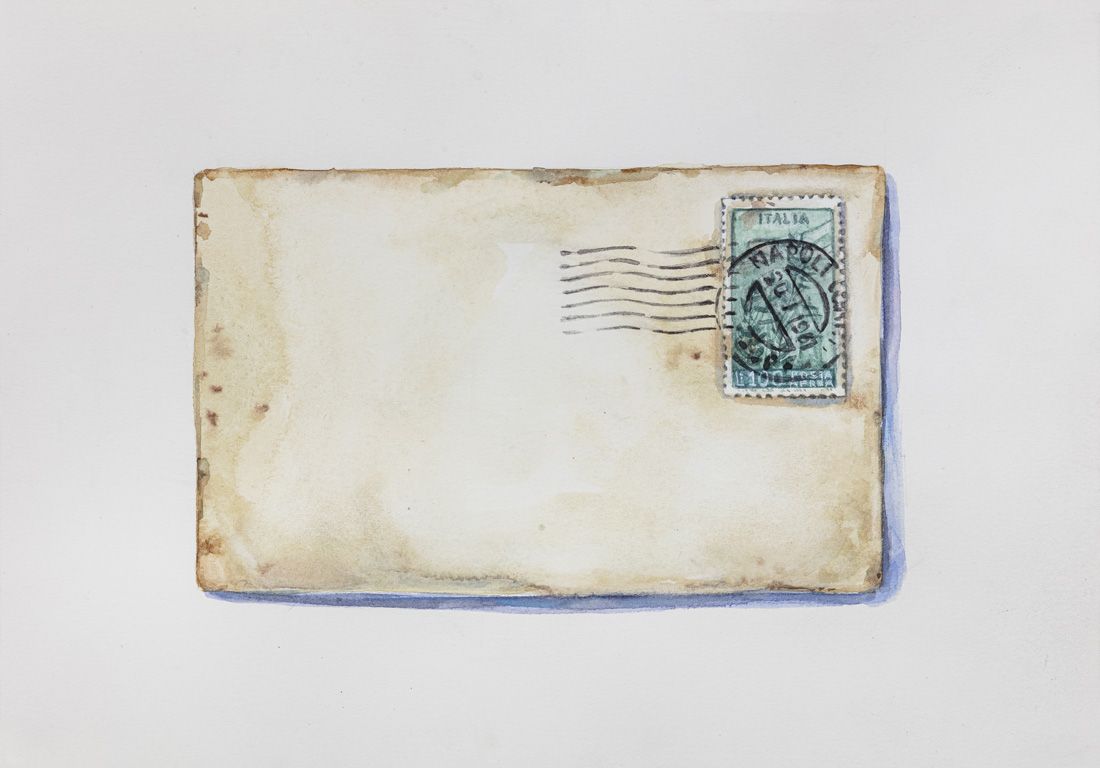
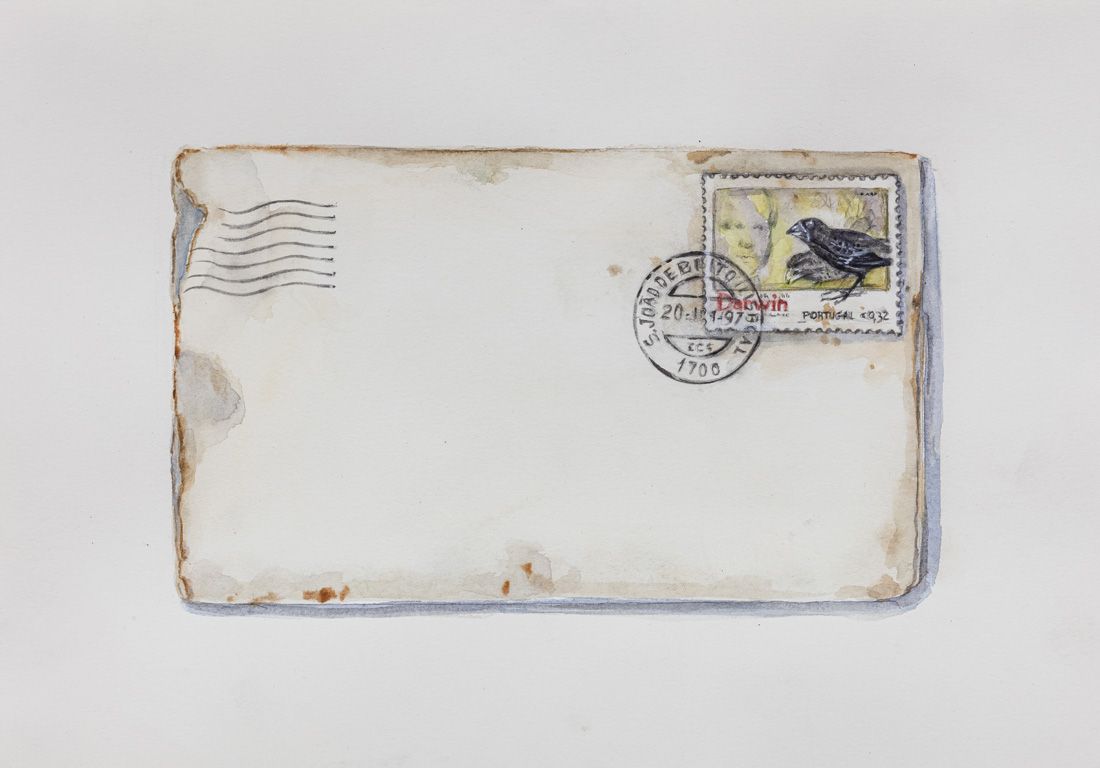
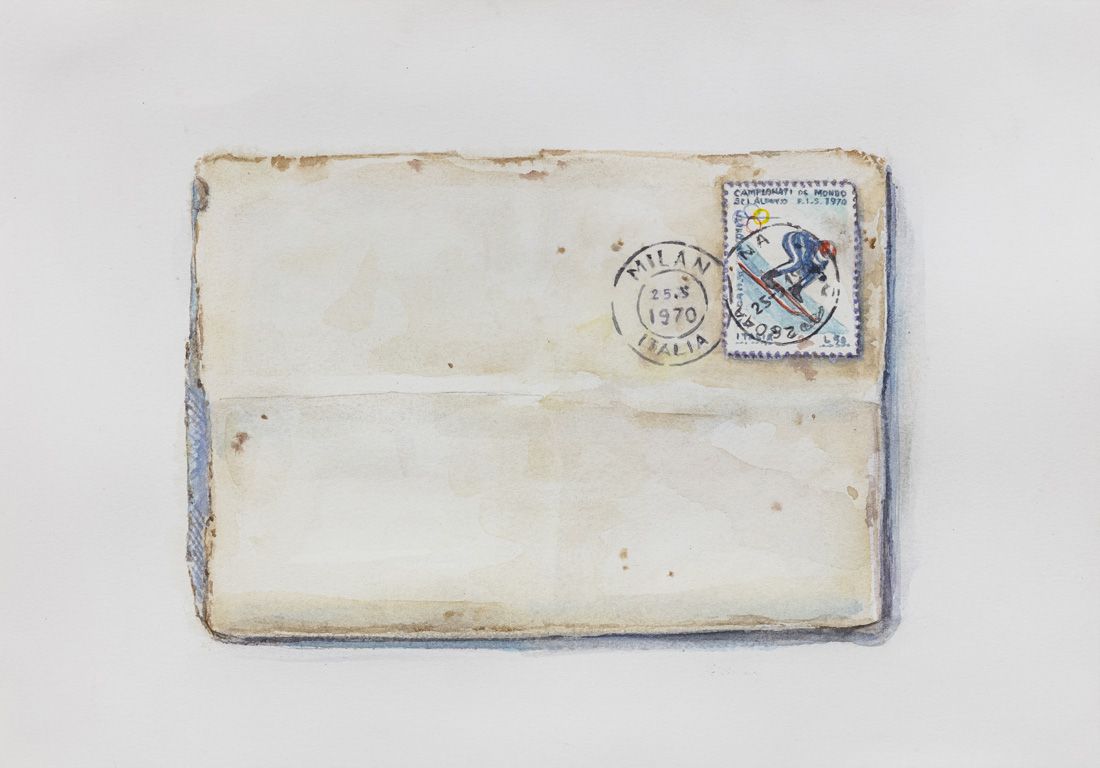
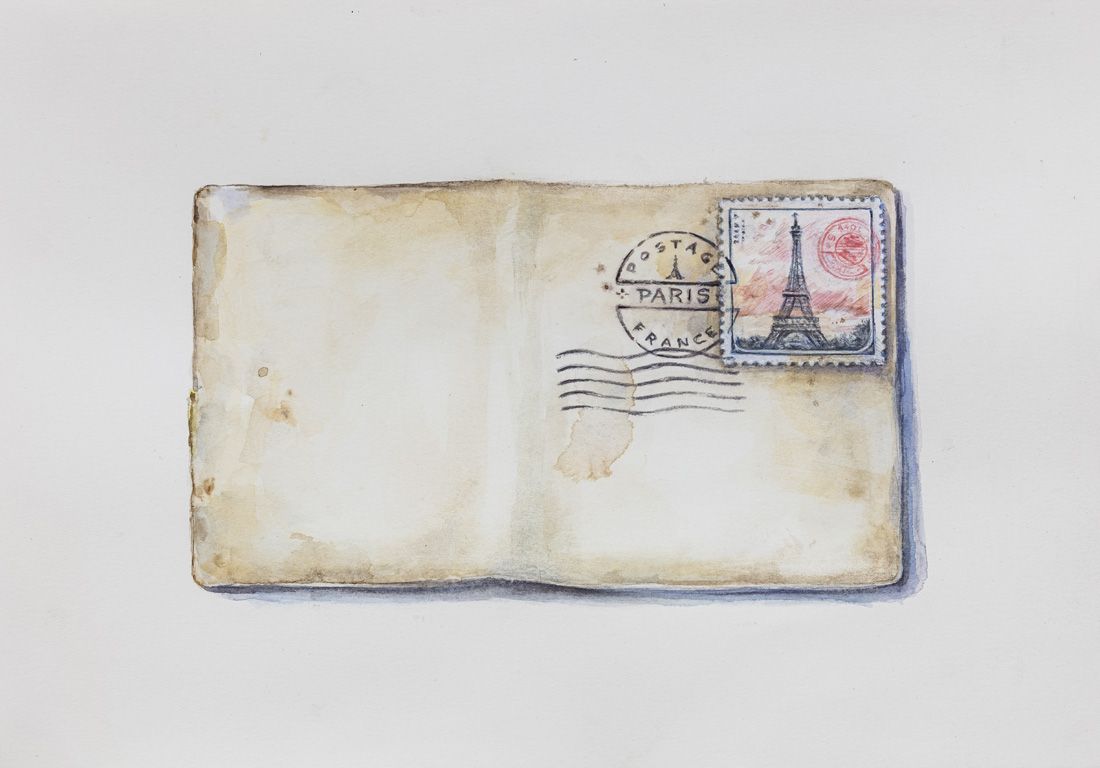
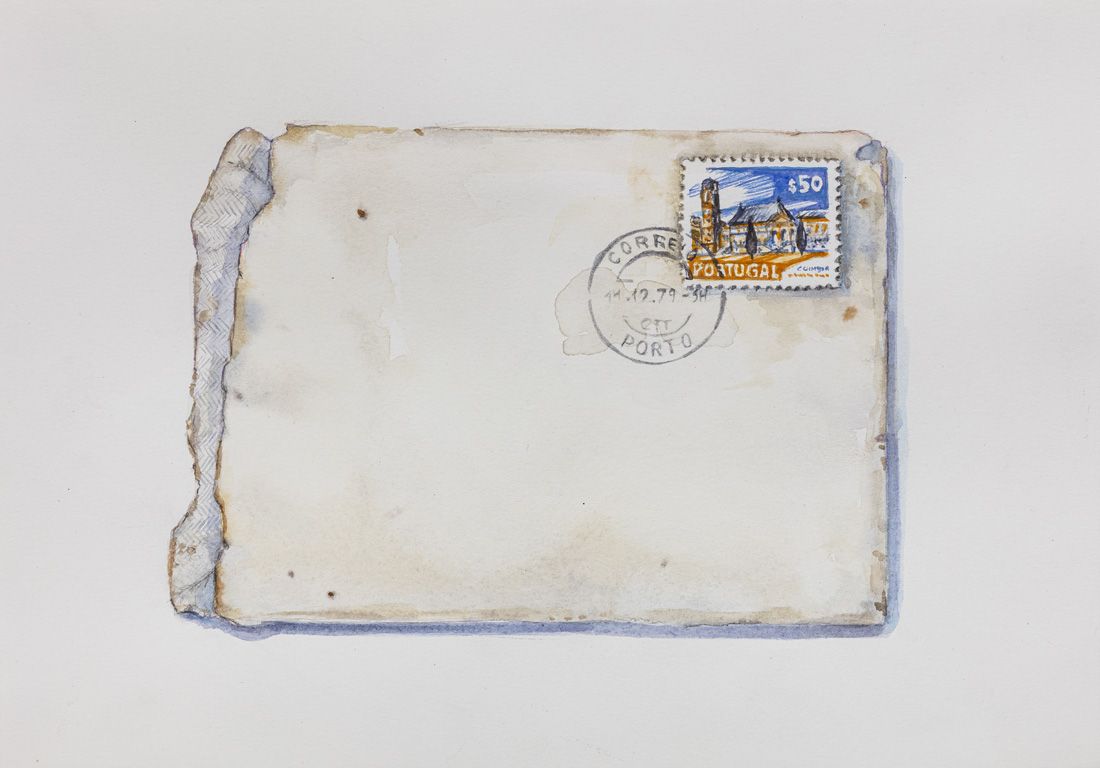
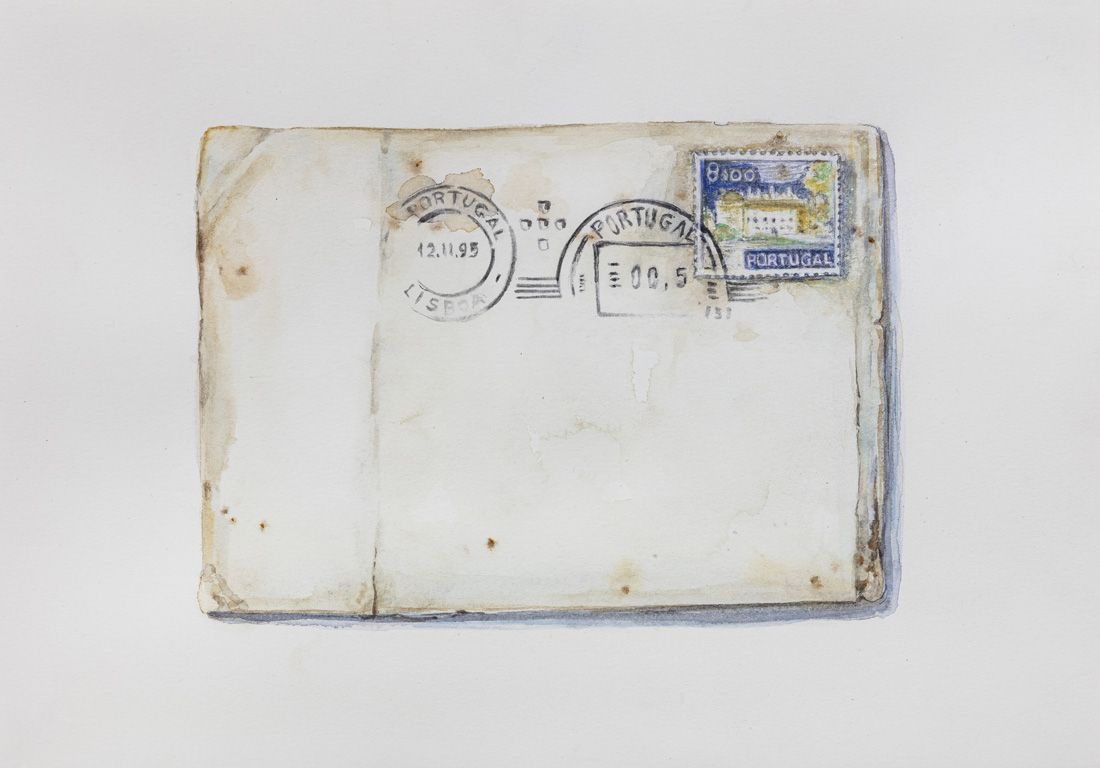
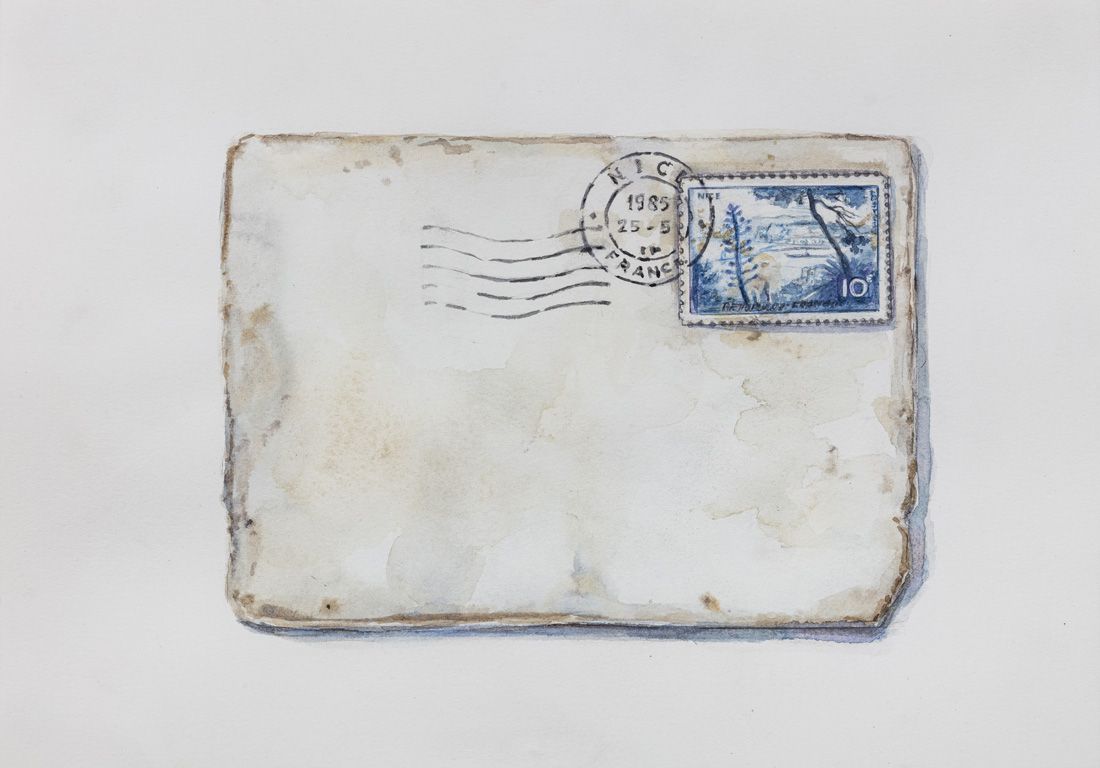
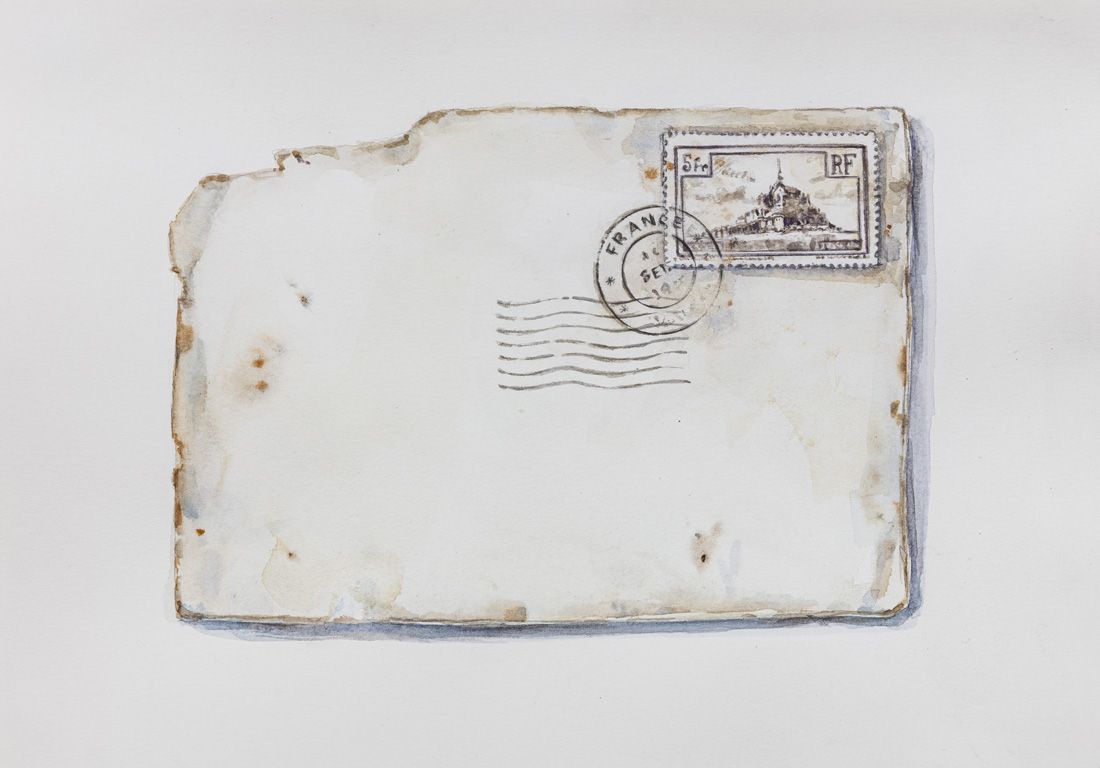
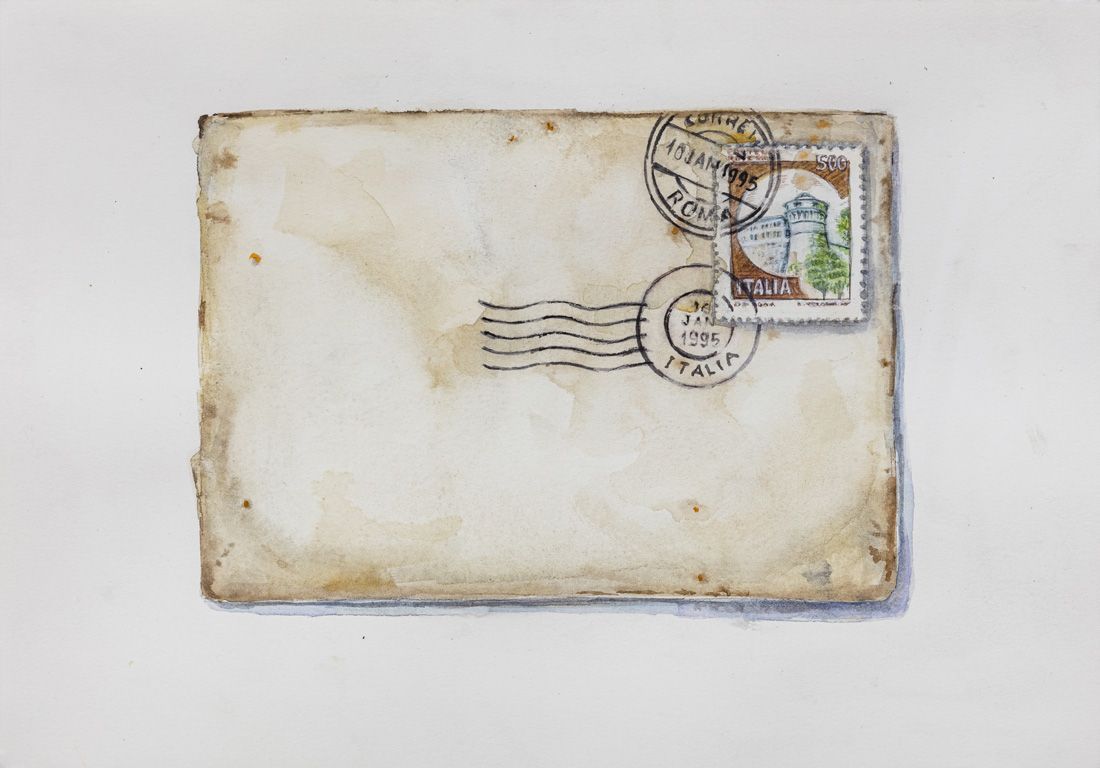
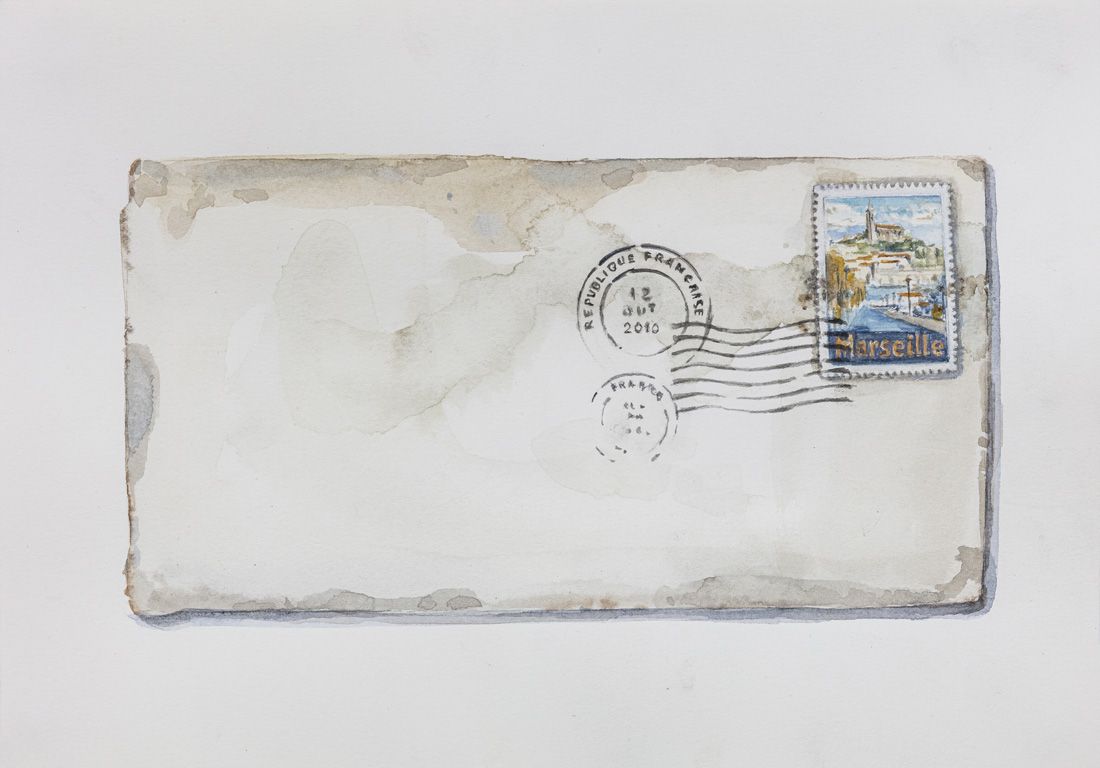
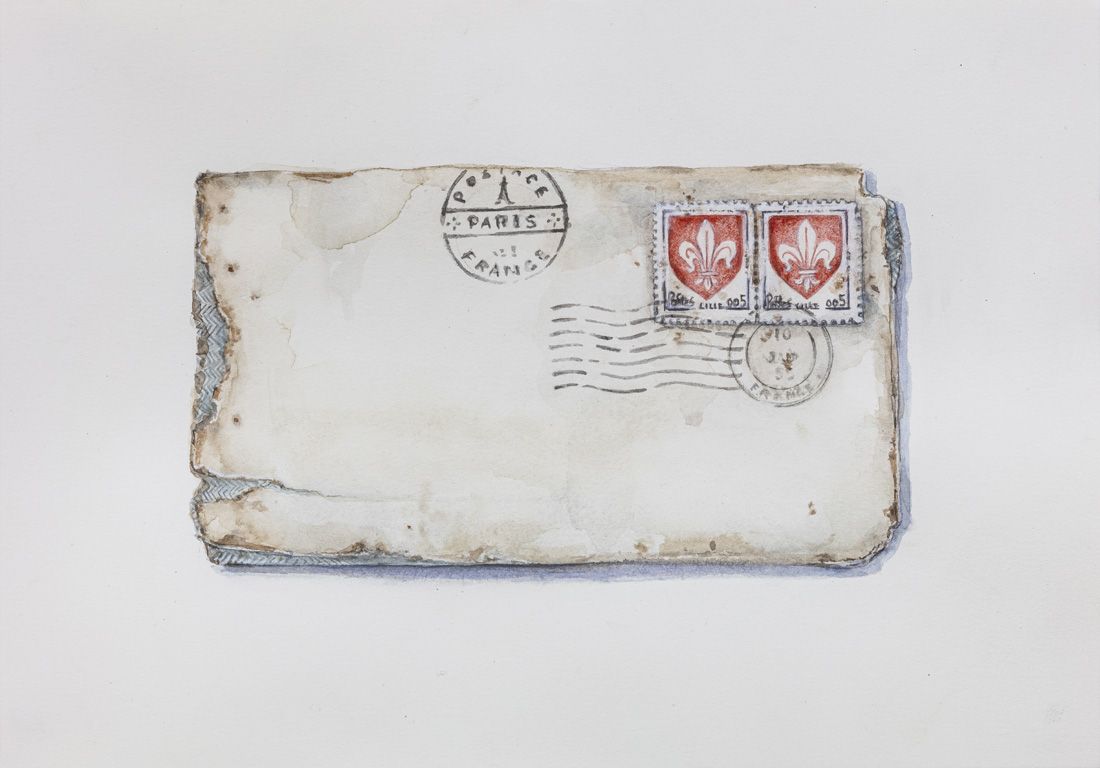
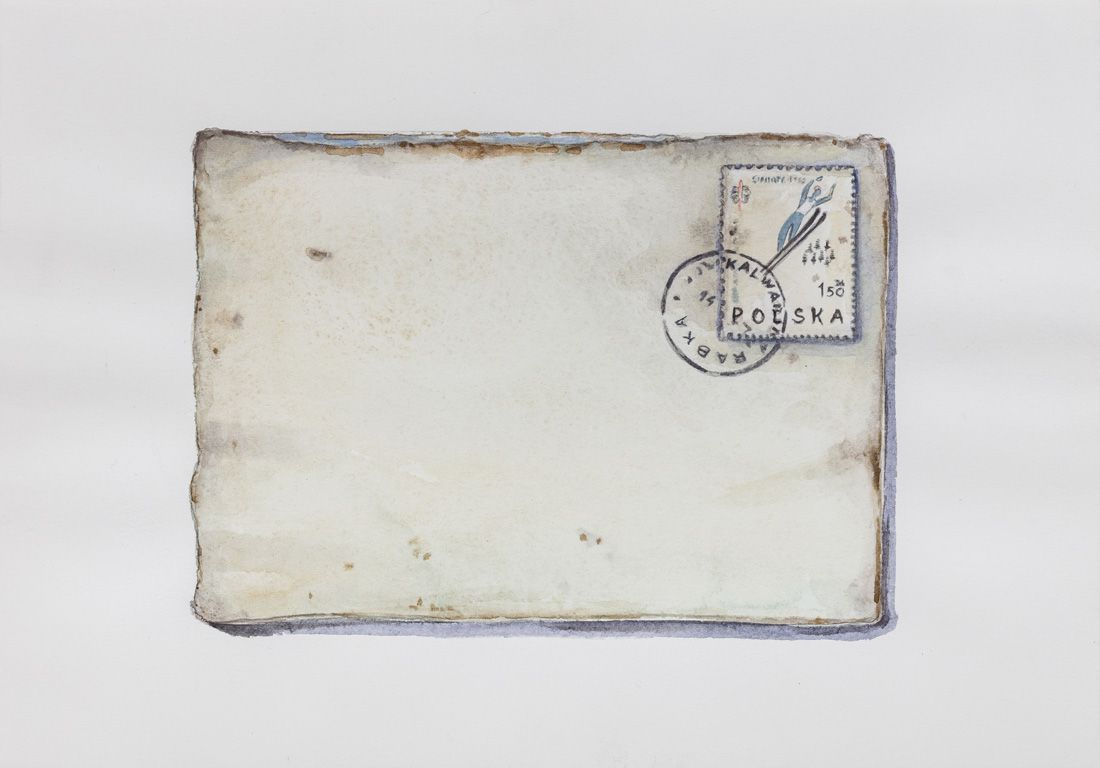
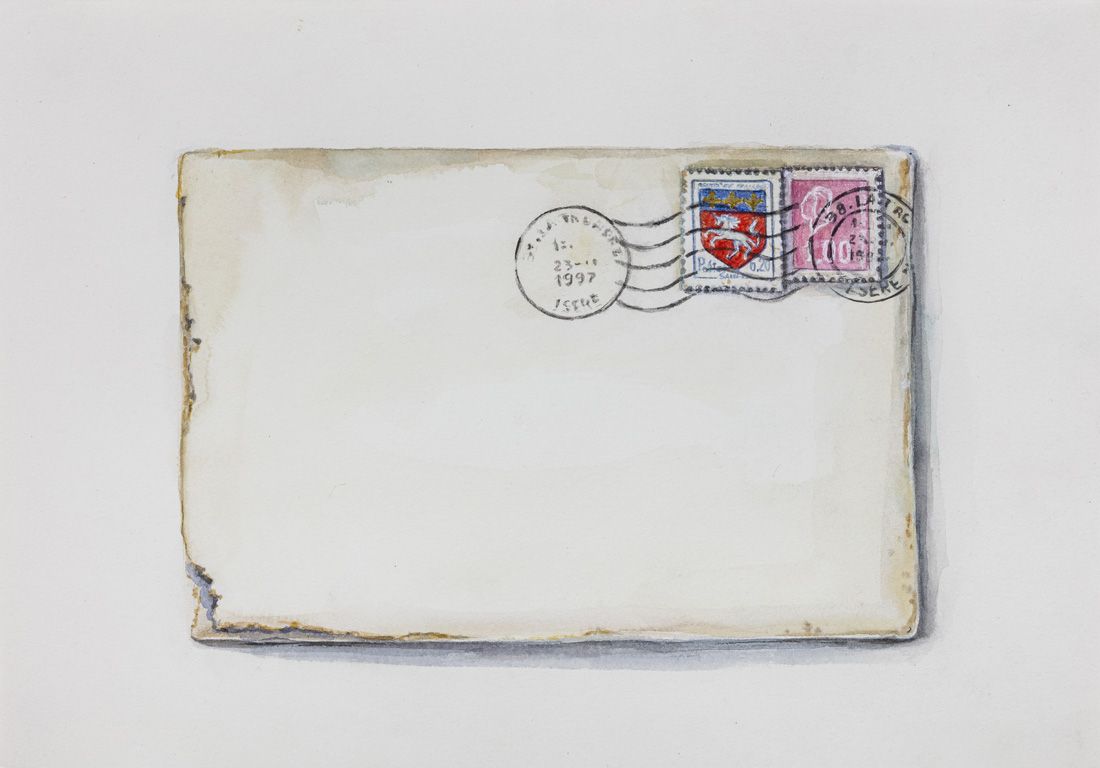
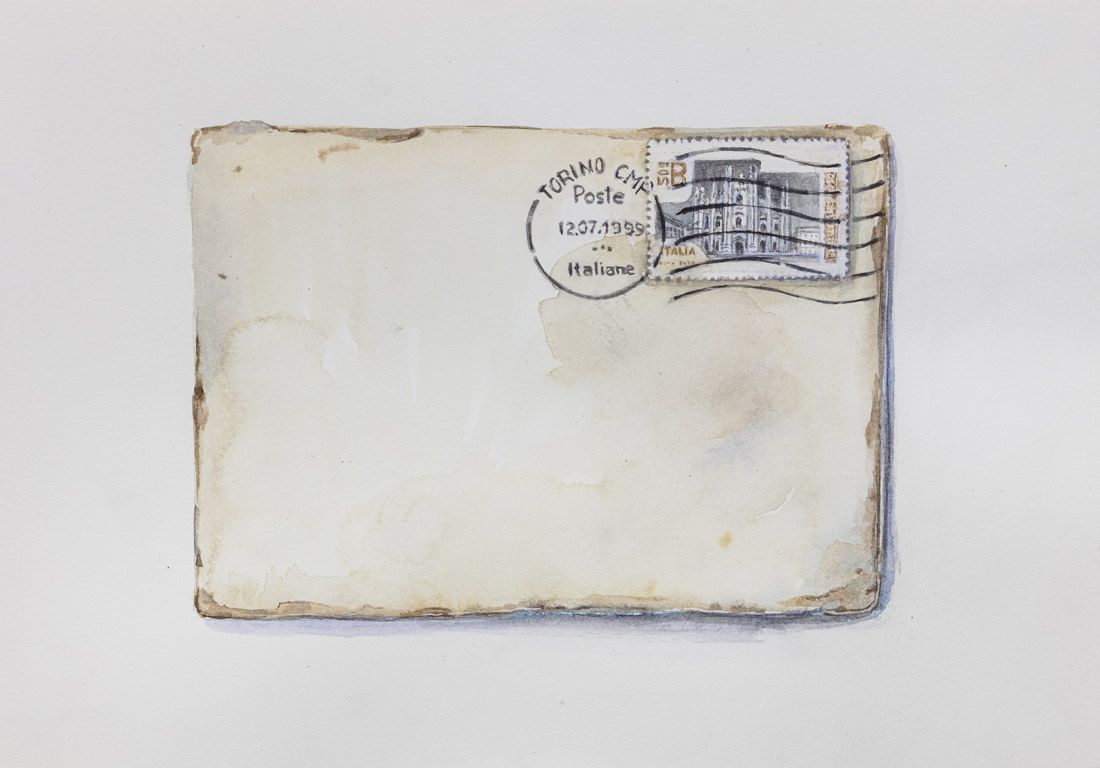
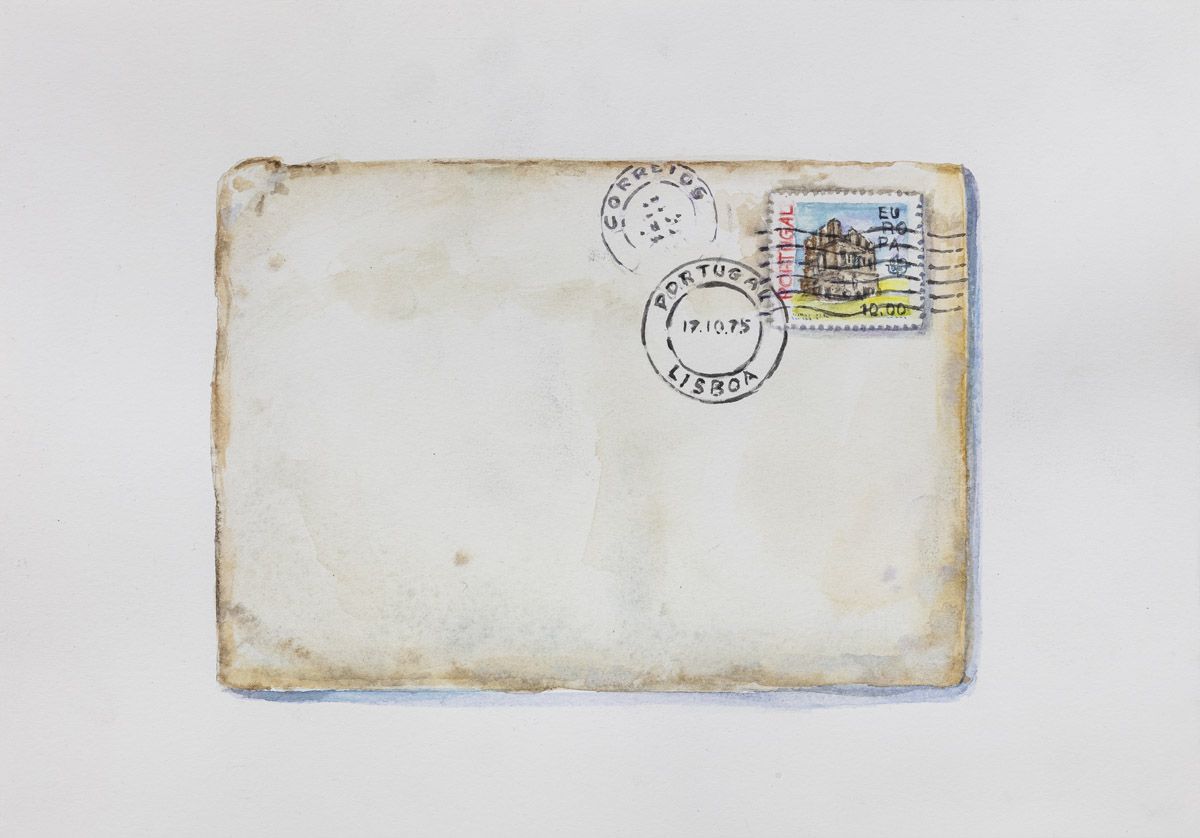
Esta séries de pinturas de Carlos Barão (Portugal, 1964) afirmam-se como um território de tensão, onde a história recente e o presente imediato se cruzam num campo visual marcado pela inquietação. As pinturas partem da geopolítica dos nossos dias — fragmentada, instável e muitas vezes contraditória — para construir imagens que não ilustram acontecimentos, mas interrogam os seus efeitos profundos sobre o imaginário coletivo e a condição humana.
Nos seus quadros, fronteiras deixam de ser apenas linhas cartográficas para se tornarem forças simbólicas: zonas de conflito, de negociação e de silêncio. Barão trabalha a pintura como um espaço de fricção, onde cores densas, gestos contidos ou abruptos e composições deliberadamente instáveis refletem um mundo em permanente desequilíbrio. O seu olhar não é panfletário nem documental; é crítico e poético, atento às camadas invisíveis do poder, do medo e da esperança.
Ao abordar os dias conturbados de hoje, Carlos Barão convoca o espectador para uma experiência de reflexão e de desconforto produtivo. A pintura surge como resistência ao esquecimento e à simplificação mediática, recuperando tempo e profundidade num mundo saturado de imagens rápidas. Cada obra propõe uma pausa — um lugar onde a geopolítica deixa de ser uma abstração distante e se revela como experiência sensível, ética e profundamente humana.
The painting of Carlos Barão (Portugal, 1964) establishes itself as a territory of tension, where recent history and the immediate present intersect within a visual field marked by unease. His work draws from the geopolitics of our time — fragmented, unstable, and often contradictory — to create images that do not illustrate events, but rather question their deeper impact on the collective imagination and the human condition.
In his paintings, borders cease to be mere cartographic lines and become symbolic forces: zones of conflict, negotiation, and silence. Barão approaches painting as a space of friction, where dense colors, restrained or abrupt gestures, and deliberately unstable compositions reflect a world in constant imbalance. His gaze is neither propagandistic nor documentary; it is critical and poetic, attentive to the invisible layers of power, fear, and hope.
By addressing the troubled days of today, Carlos Barão invites the viewer into an experience of reflection and productive discomfort. Painting emerges as a form of resistance against forgetting and media simplification, restoring time and depth in a world saturated with fast images. Each work proposes a pause — a place where geopolitics ceases to be a distant abstraction and reveals itself as a sensitive, ethical, and profoundly human experience.
Carlos Barão, Lisboa (n. 1964)
Carlos Barão é um pintor português cuja obra se afirma pela investigação persistente da matéria pictórica e pela tensão entre figuração e abstração. Nascido em 1964, desenvolveu ao longo das últimas décadas um percurso artístico marcado por uma abordagem introspectiva da pintura, onde o gesto, a cor e a composição assumem um papel central na construção do significado.
A sua prática pictórica revela um interesse constante pela paisagem interior — não como representação literal, mas como espaço mental e sensível. As superfícies das suas telas apresentam-se densas, por vezes estratificadas, sugerindo processos de acumulação, erosão e transformação. A cor surge como elemento estruturante, ora contida e silenciosa, ora intensa e vibrante, estabelecendo diálogos subtis entre equilíbrio e instabilidade.
Na obra de Carlos Barão, a pintura é entendida como um campo de reflexão e de experiência, onde o tempo do fazer se torna visível e a imagem permanece aberta à interpretação do observador. O seu trabalho convida a uma contemplação lenta, propondo um encontro entre o olhar, a memória e a emoção, num território onde o visível e o indizível coexistem.
Carlos Barão, Lisboa (b. 1964)
Carlos Barão is a Portuguese painter whose work is distinguished by a sustained investigation of pictorial matter and by the tension between figuration and abstraction. Born in 1964, he has developed over the past decades an artistic trajectory marked by an introspective approach to painting, in which gesture, colour and composition play a central role in the construction of meaning.
His pictorial practice reveals a constant interest in the inner landscape — not as a literal representation, but as a mental and sensorial space. The surfaces of his canvases are often dense and layered, suggesting processes of accumulation, erosion and transformation. Colour functions as a structuring element, at times restrained and silent, at others intense and vibrant, establishing subtle dialogues between balance and instability.
In Carlos Barão’s work, painting is understood as a field of reflection and experience, where the time of making becomes visible and the image remains open to the viewer’s interpretation. His work invites slow contemplation, proposing an encounter between gaze, memory and emotion, within a territory where the visible and the unsayable


