
O Perigo do Branco | Carlos Barão
Do teto branco da infância à cacofonia contemporânea e à dúvida criativa, O Perigo do Branco une três séries - O Perigo do Branco, Exit Records e O Síndrome do Impostor - numa reflexão irónica sobre estímulo, excesso e insegurança. Entre o vazio e o ruído, a exposição convida a pensar como vivemos, criamos e nos questionamos. Com humor fino. Sem moralismos.
The Danger of White Carlos Barão
From the blank ceiling of childhood to contemporary cacophony and creative doubt, The Danger of White brings together three series - The Danger of White, Exit Records, and Impostor Syndrome - in an ironic reflection on stimulus, excess, and insecurity. Between emptiness and noise, the exhibition invites us to reconsider how we live, create, and question ourselves. With subtle humor. No moralizing.
"O Perigo do Branco” | Carlos Barão
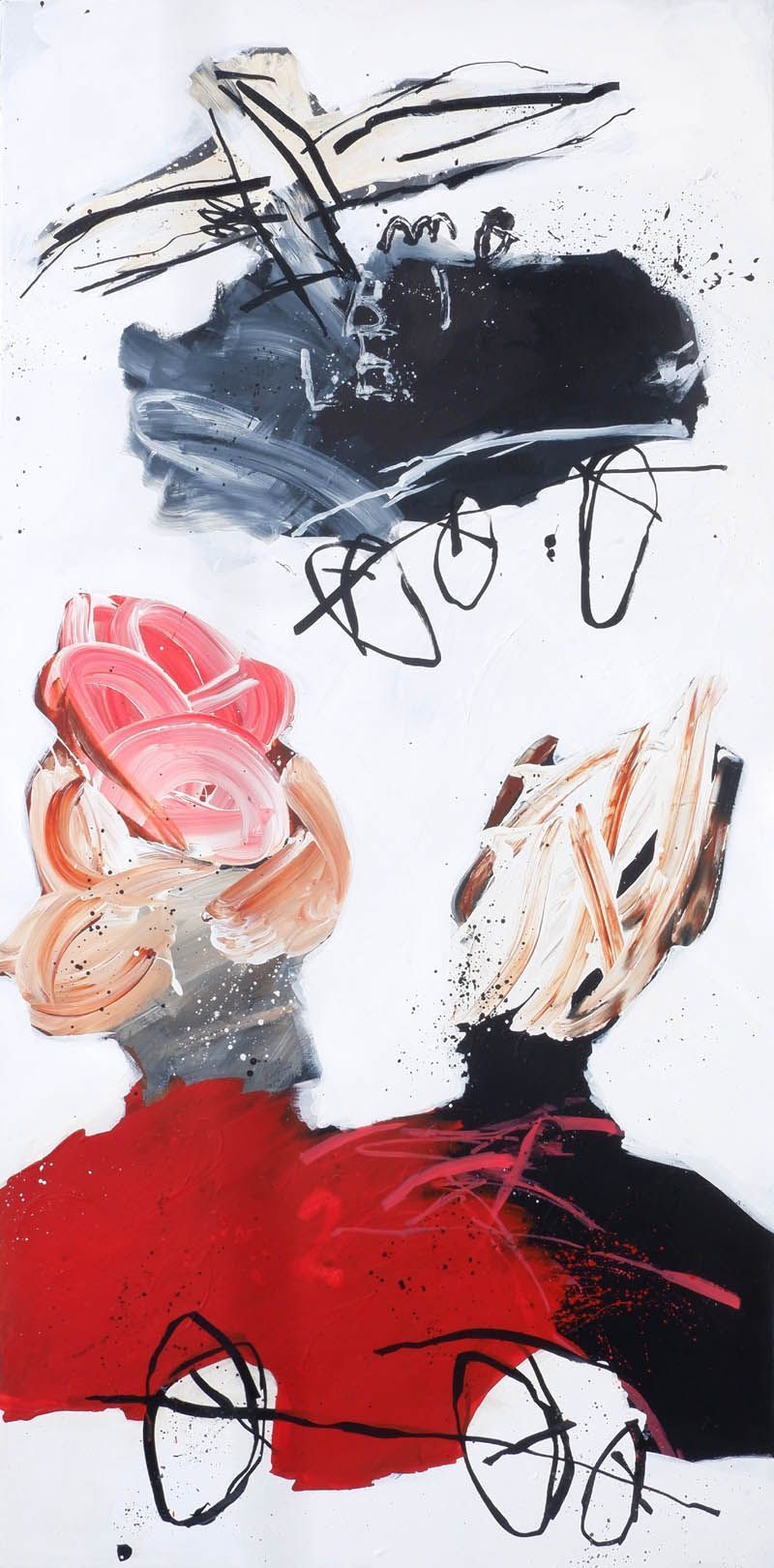
Uma criança deitada no berço, olha um teto branco. Não enfrenta apenas o vazio, enfrenta a primeira experiência de ausência de estímulo. É nesse ponto inaugural que nasce O Perigo do Branco: não como defesa do ruído, mas como reflexão sobre os extremos que moldam a nossa perceção do mundo. Entre a hipoestimulação do vazio e a hiperestimulação da cultura contemporânea, instala-se um terceiro território mais subtil: o da dúvida. É nessa tensão, entre silêncio, excesso e insegurança, que se unem as três vertentes da exposição: “O Perigo do Branco”, “Exit Records” e “O Síndrome do Impostor”. Três formas de olhar para o mesmo fenómeno: como vivemos, como consumimos, como criamos…. e como duvidamos.
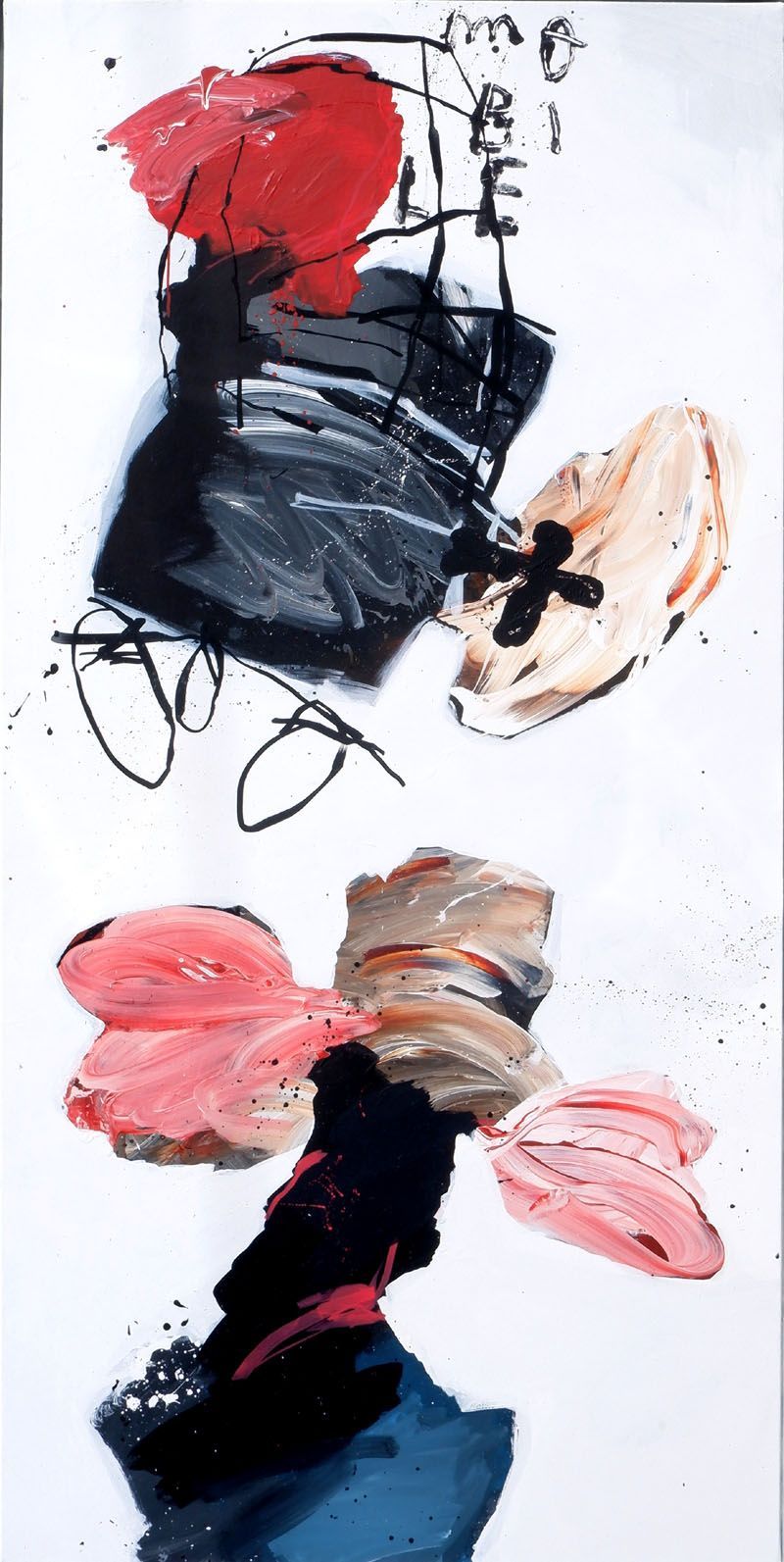
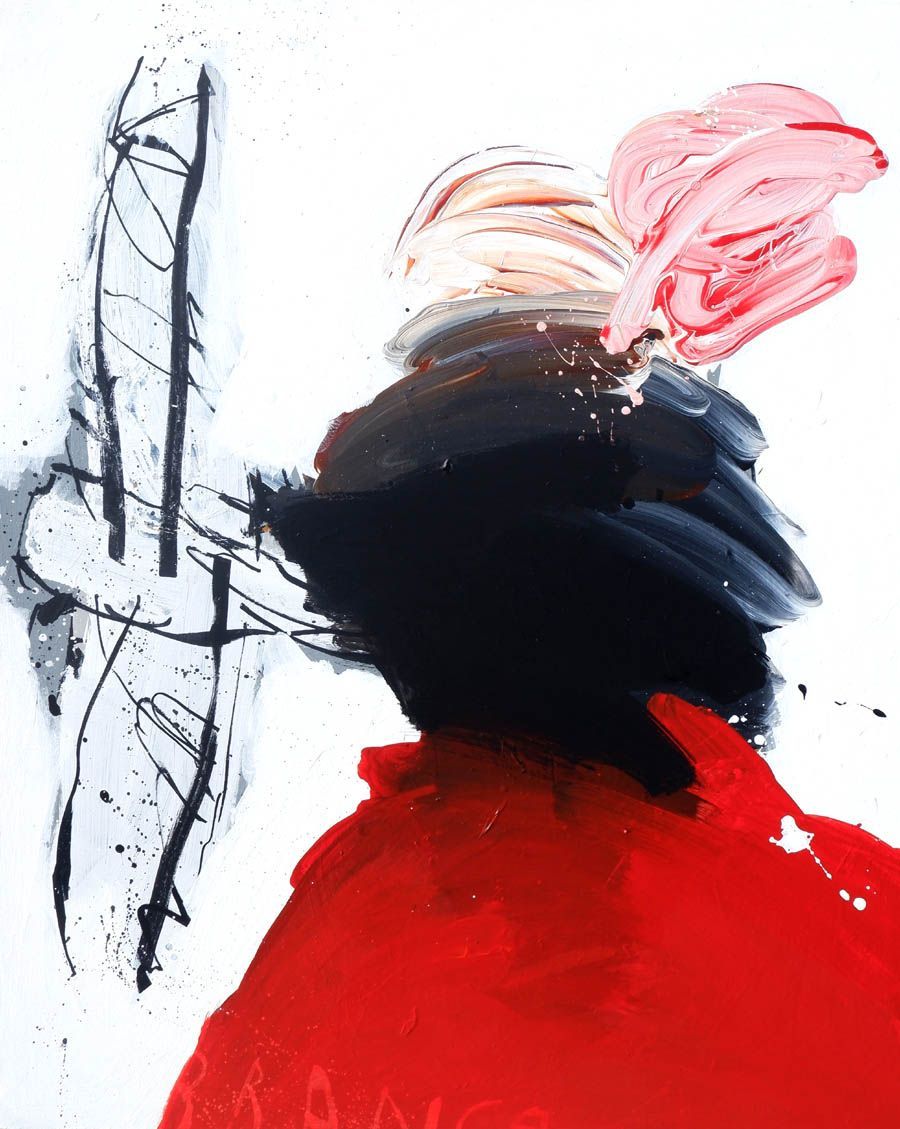
Em “O Perigo do Branco”, as pinturas sobre fundo branco exploram a infância como metáfora fundadora. O branco deixa de ser pureza e torna-se risco: pouco estímulo também pesa. A criança que olha o teto enfrenta um minimalismo involuntário que hoje poderia ser confundido com sofisticação estética. Os mobiles surgem como pequenos gestos de salvação, objetos que giram e impedem que o olhar se perca demasiado tempo no vazio. Talvez a arte continue a desempenhar essa função: introduzir movimento onde ameaça instalar-se a estagnação.
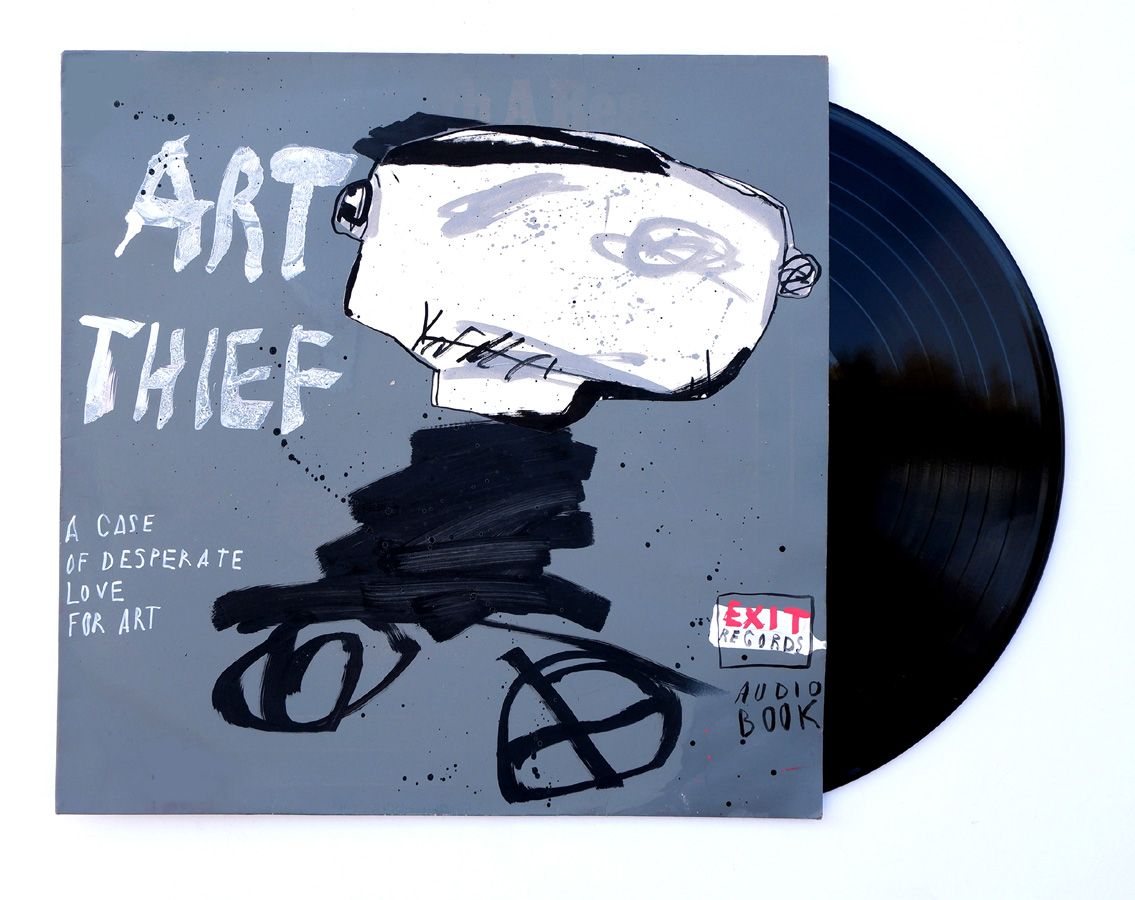
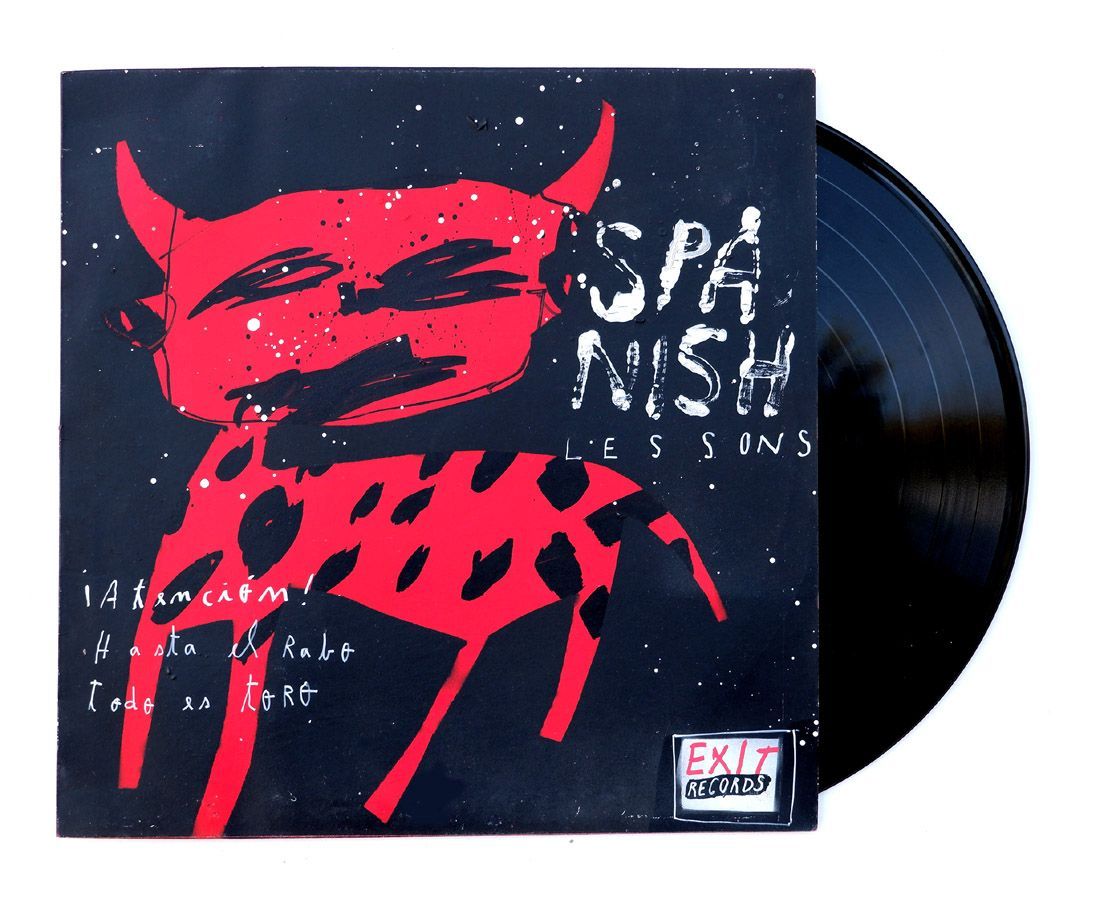
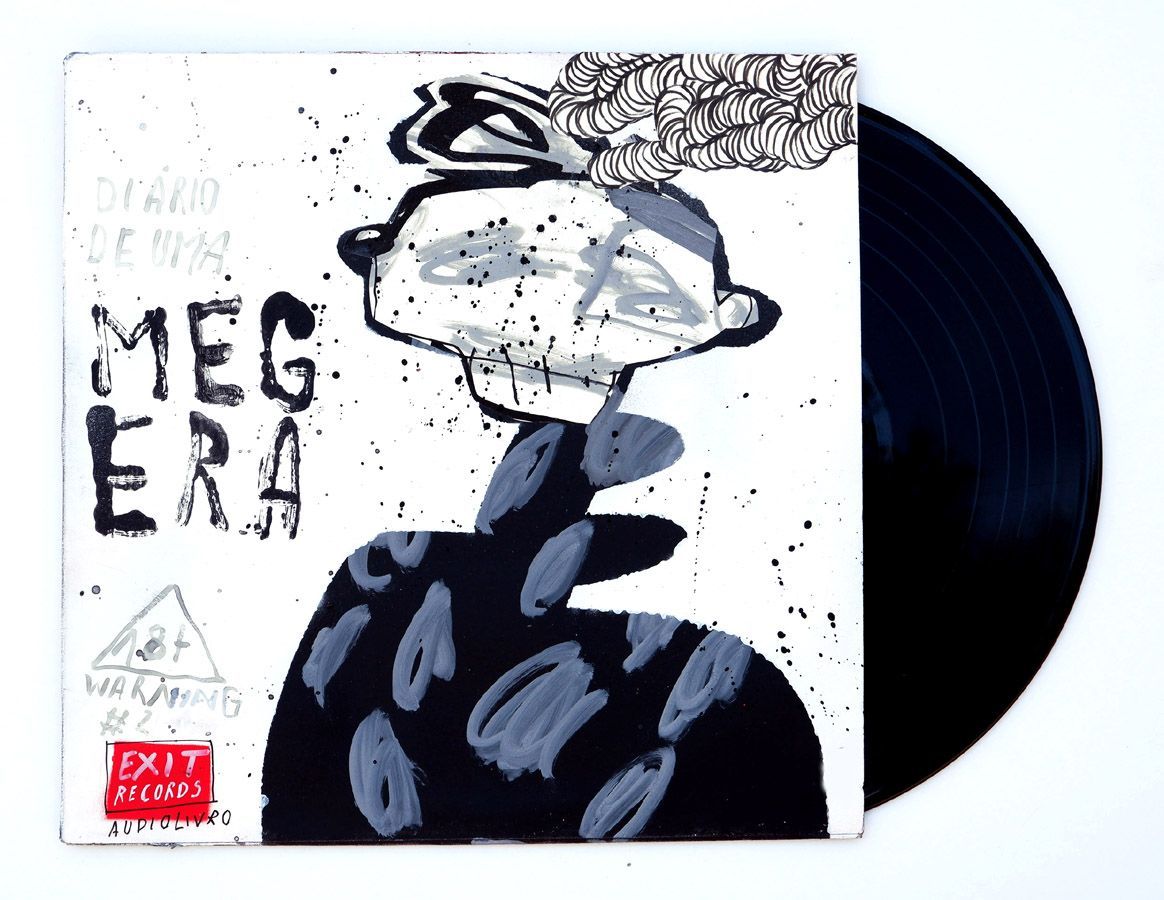
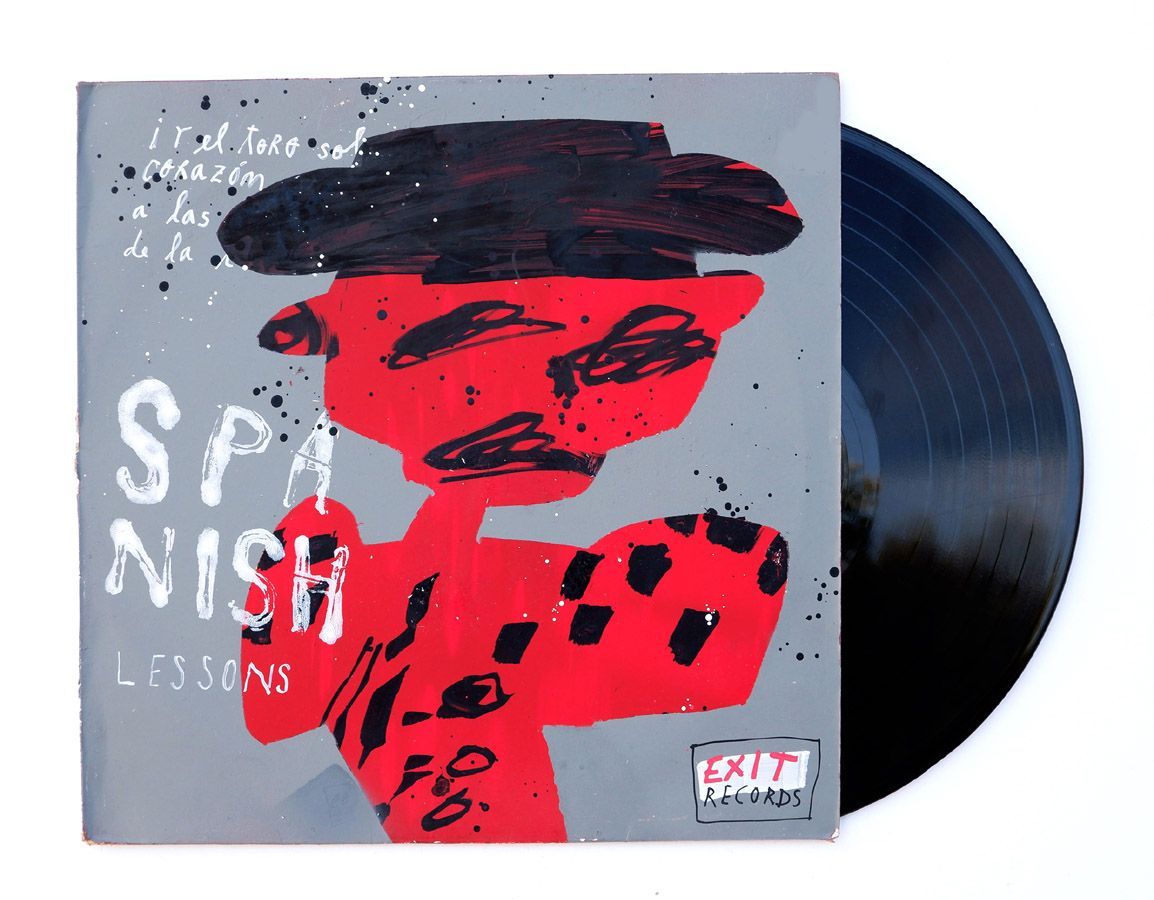
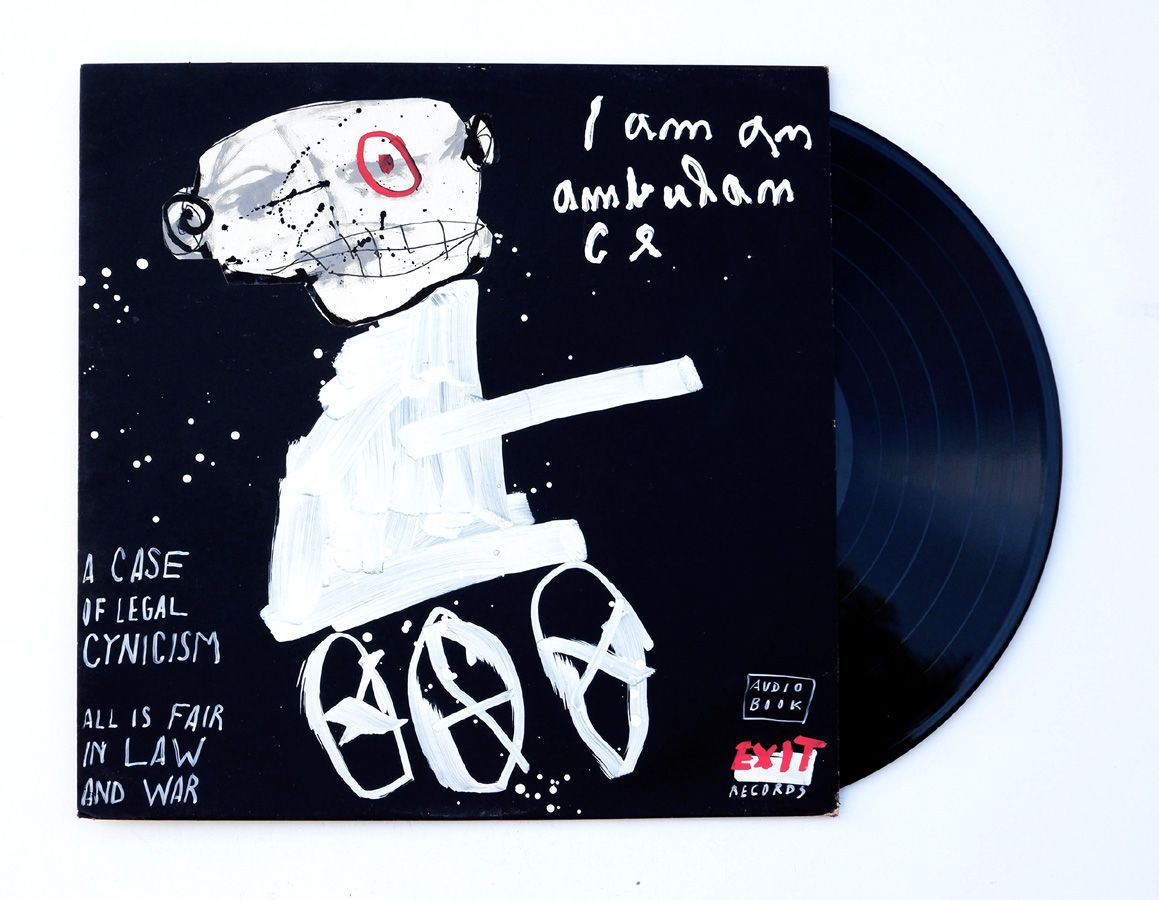
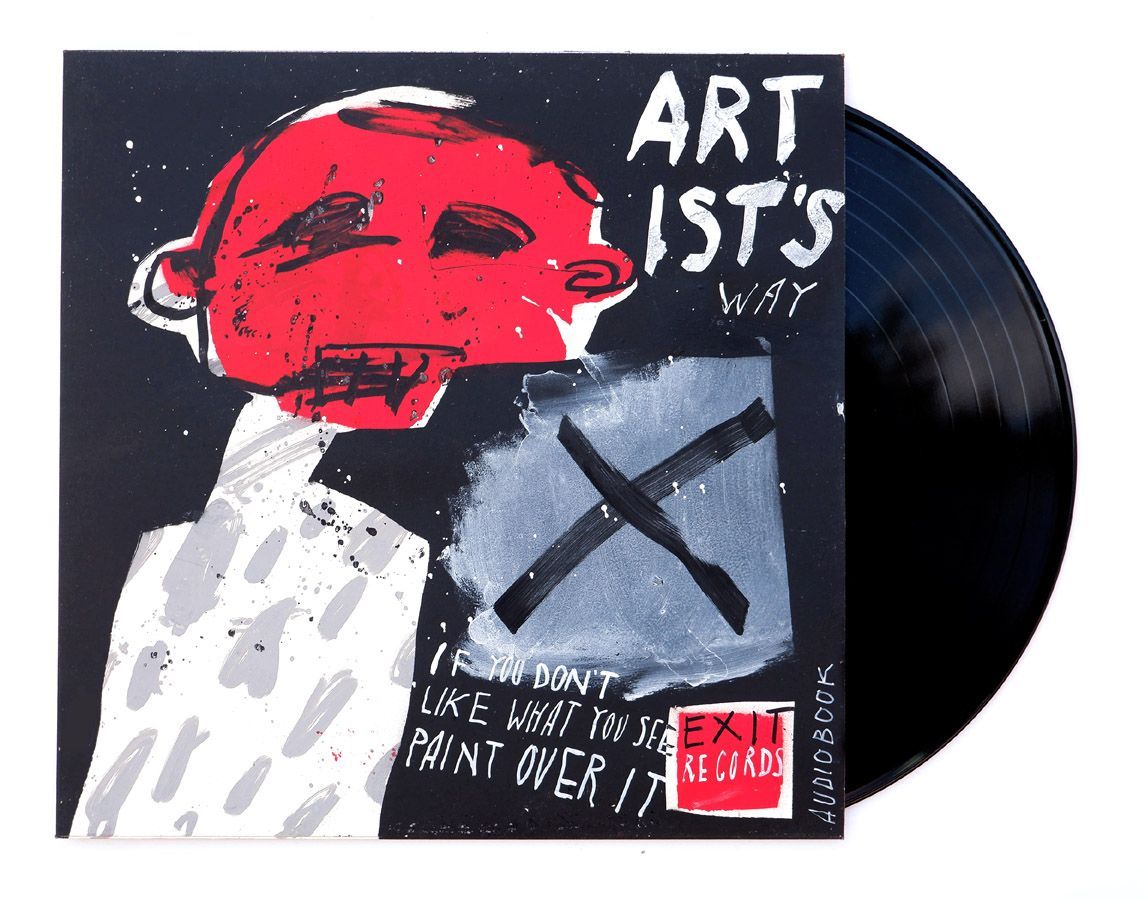
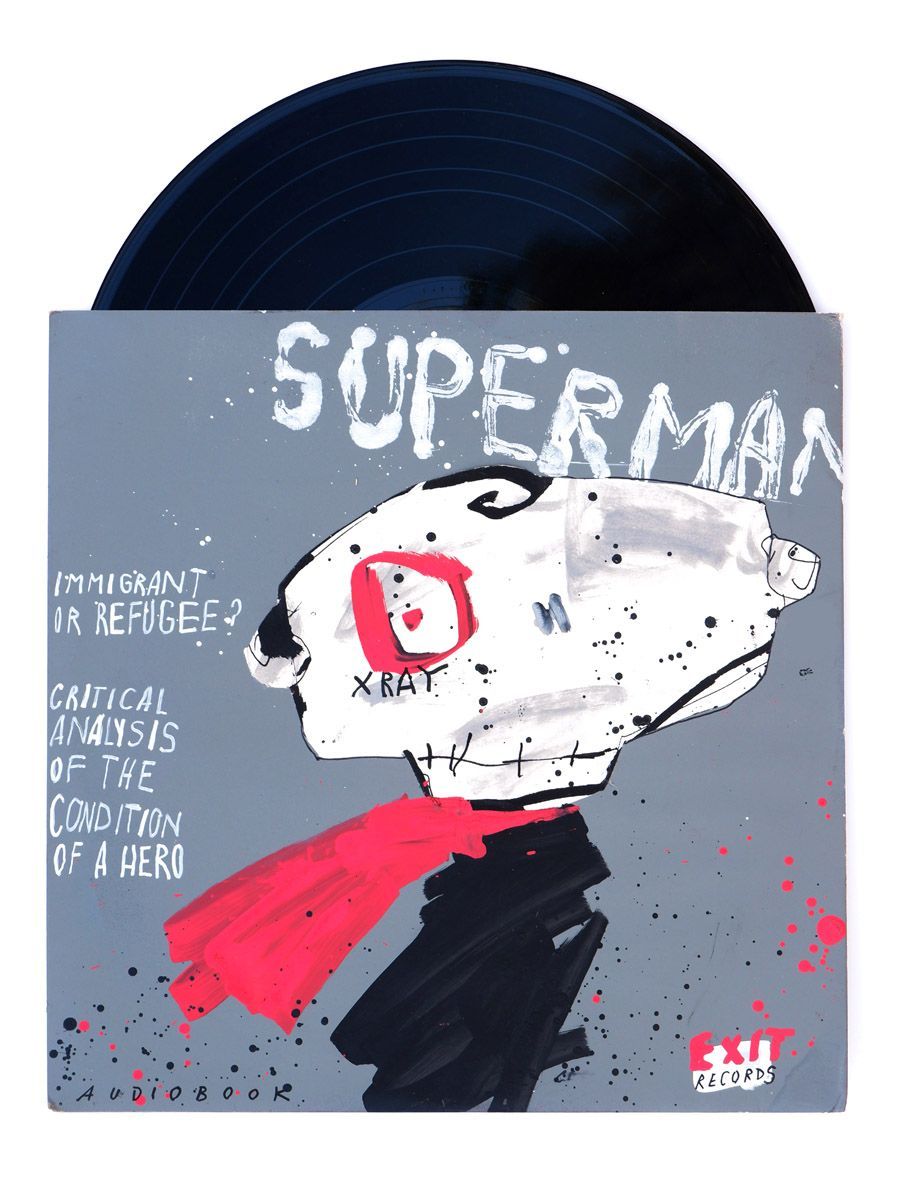
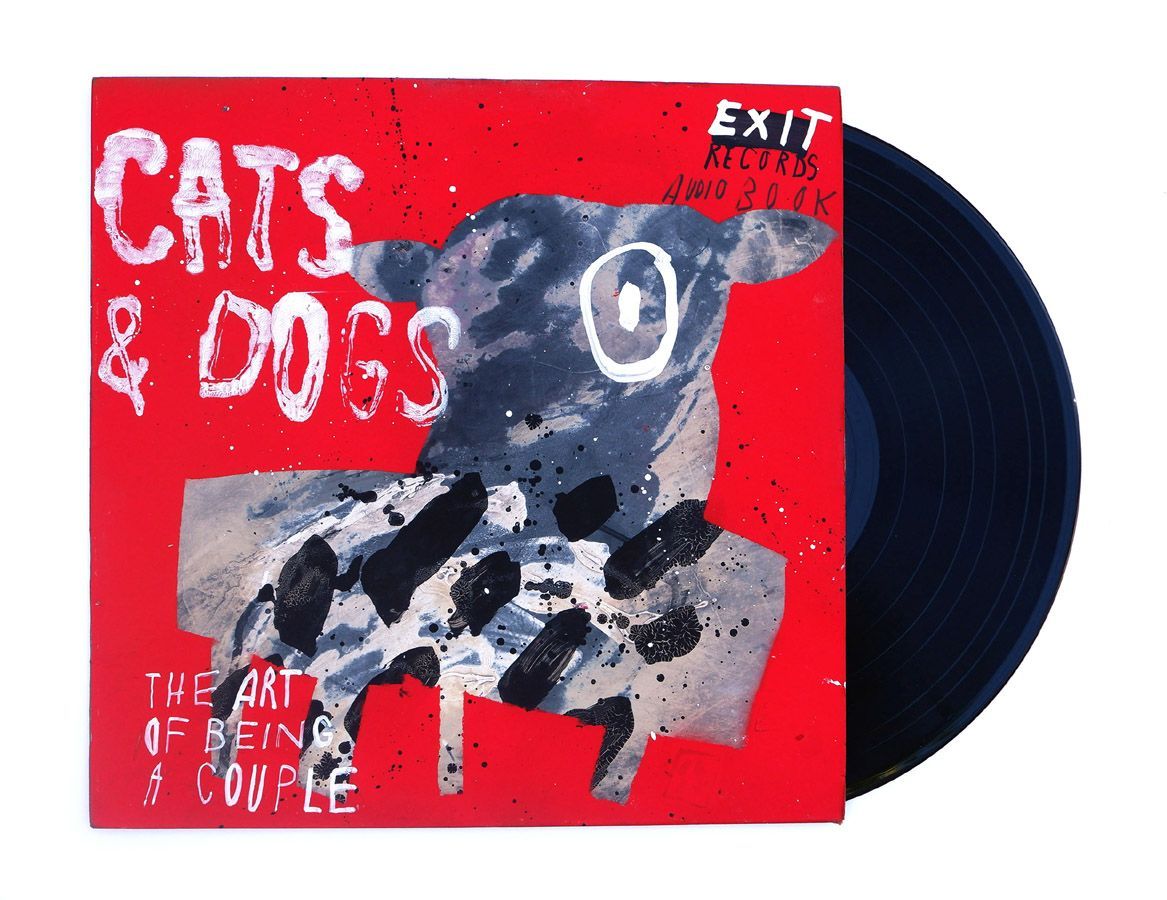
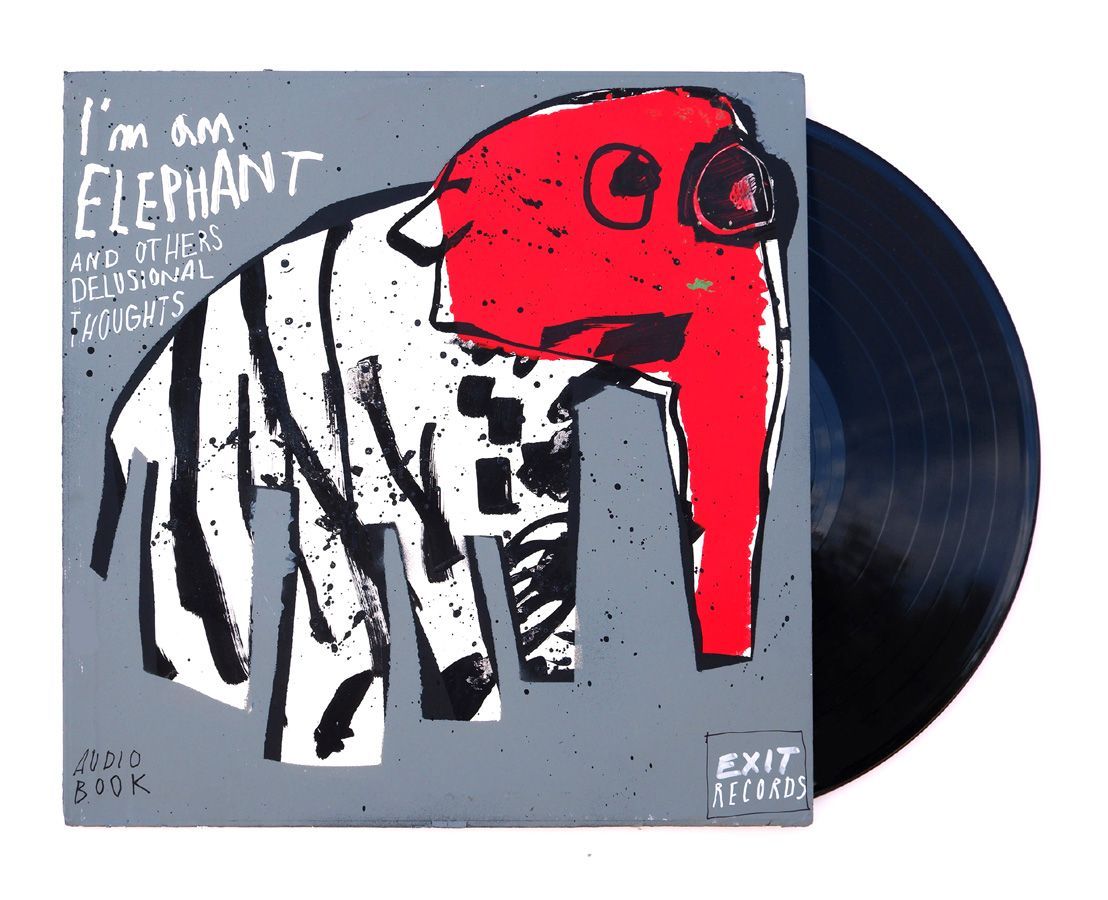
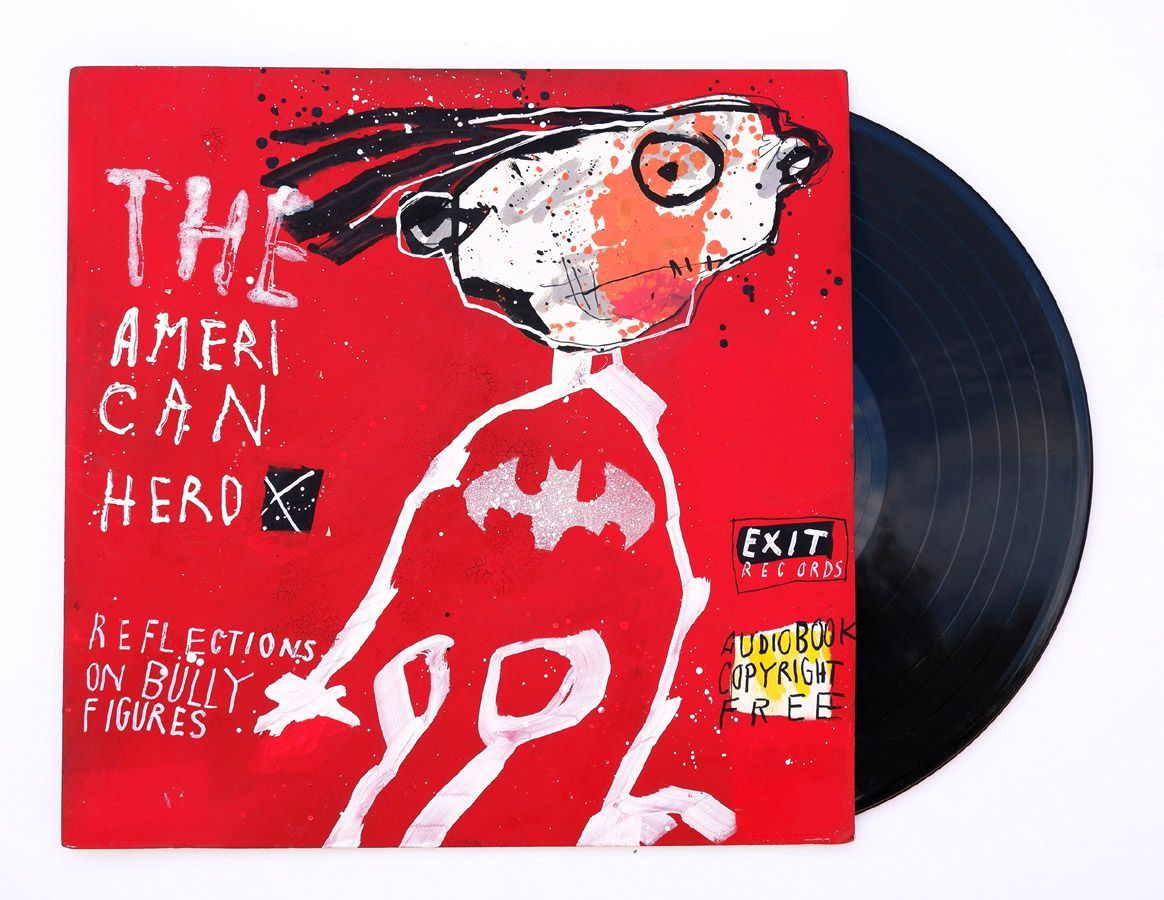
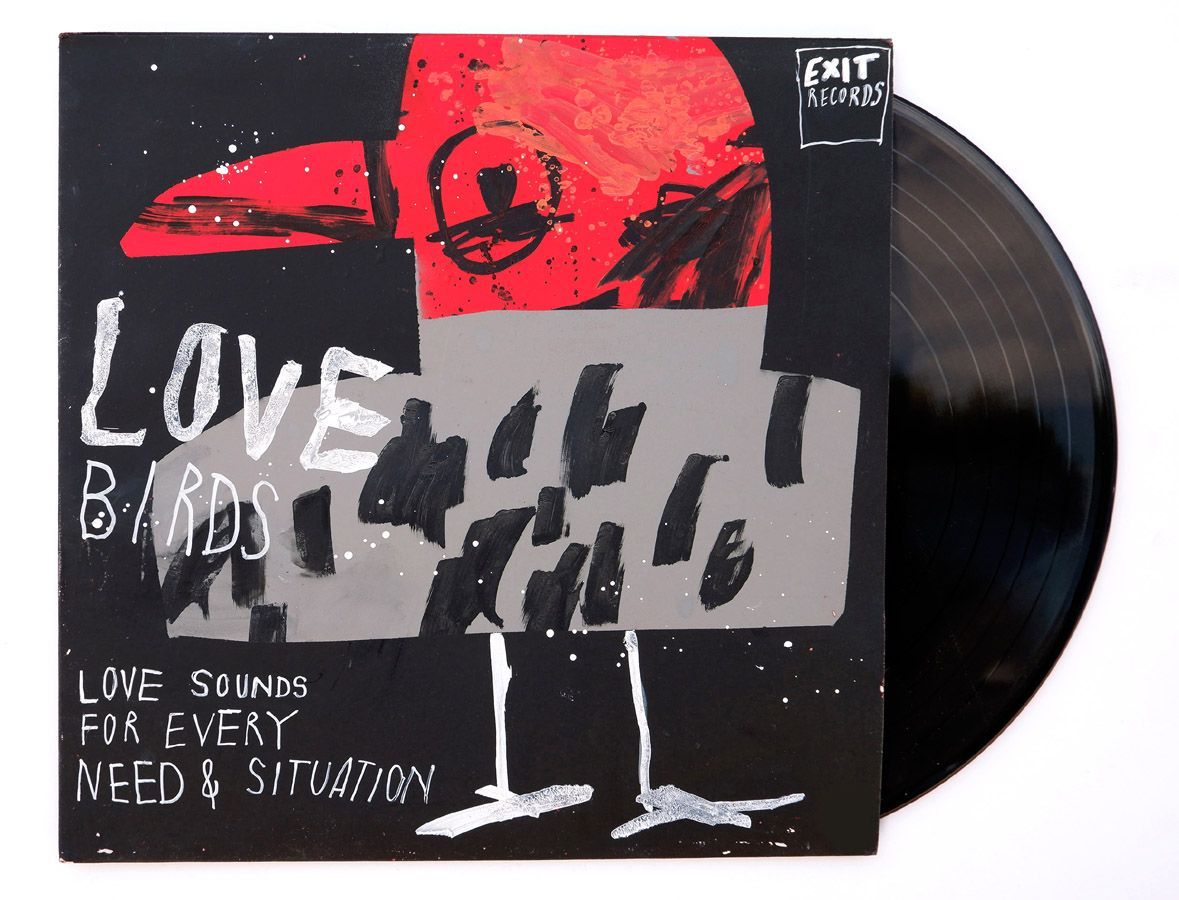
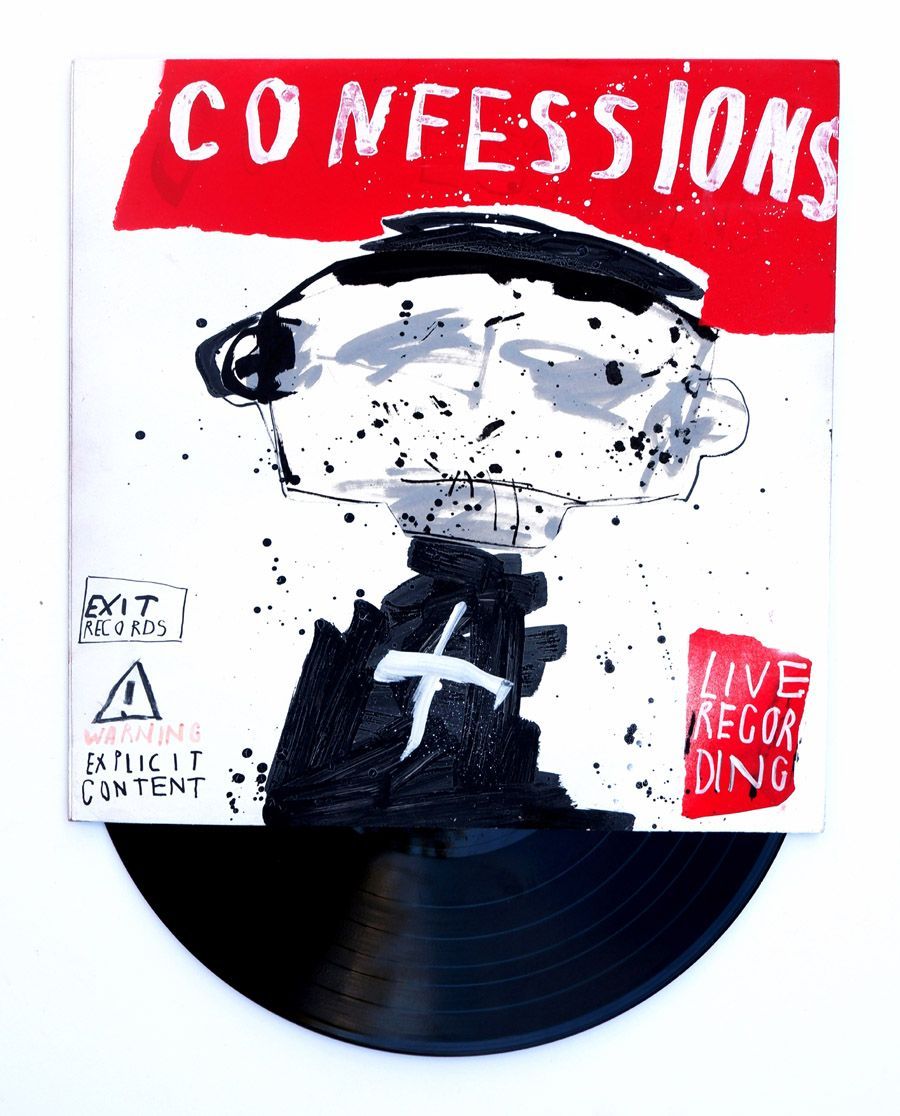
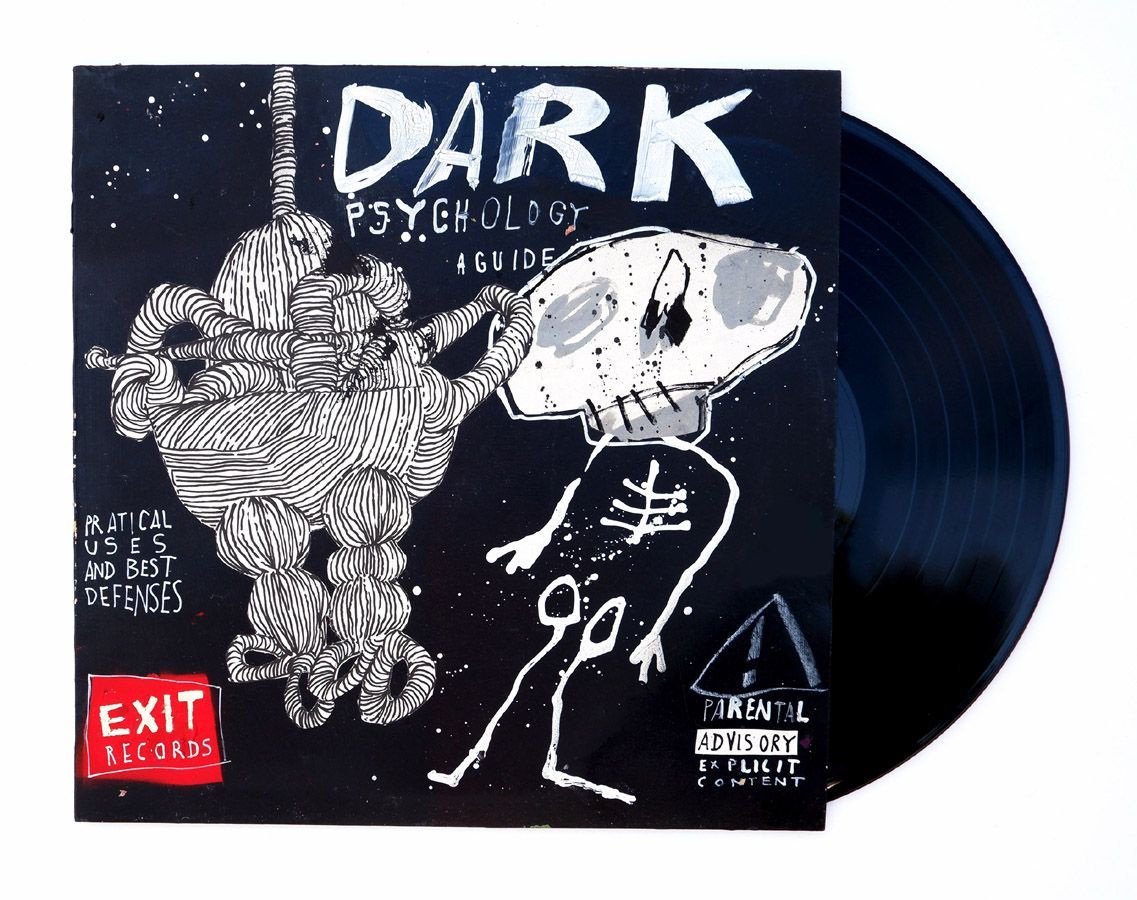
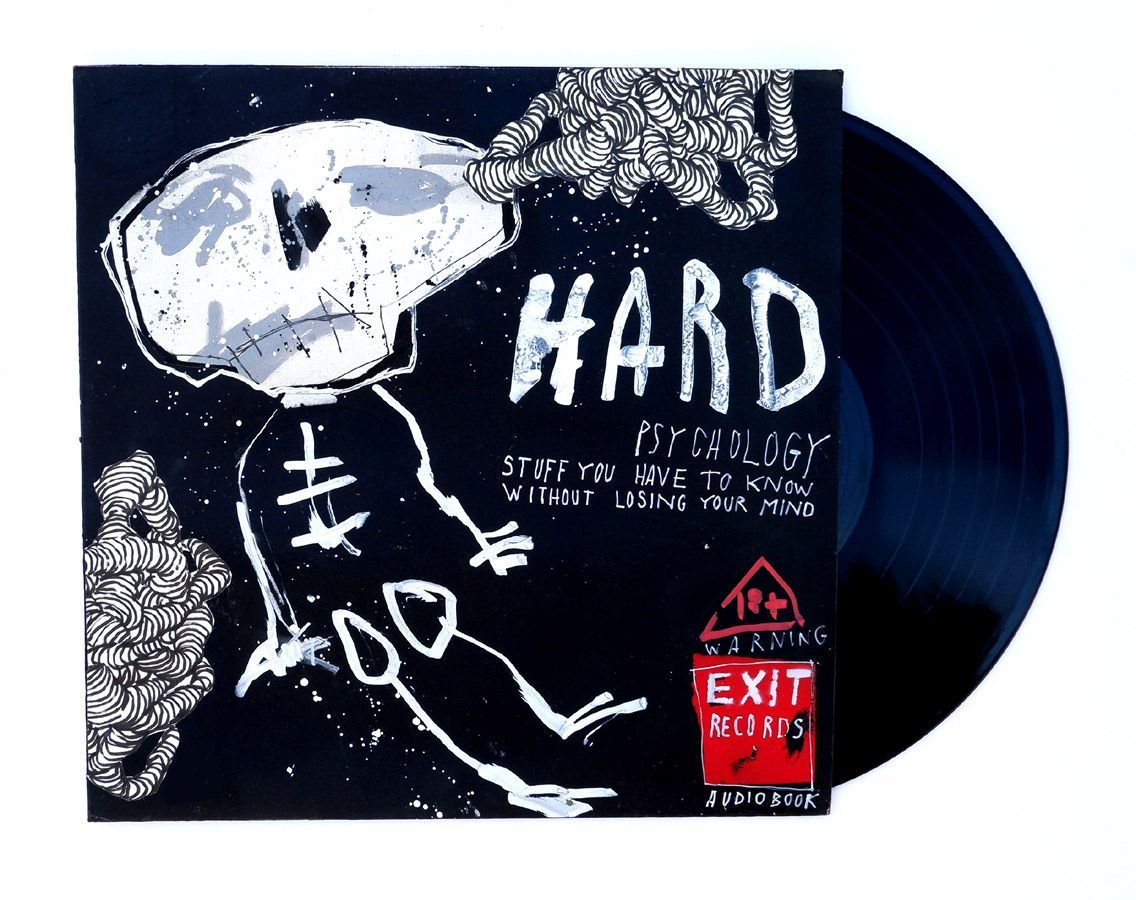
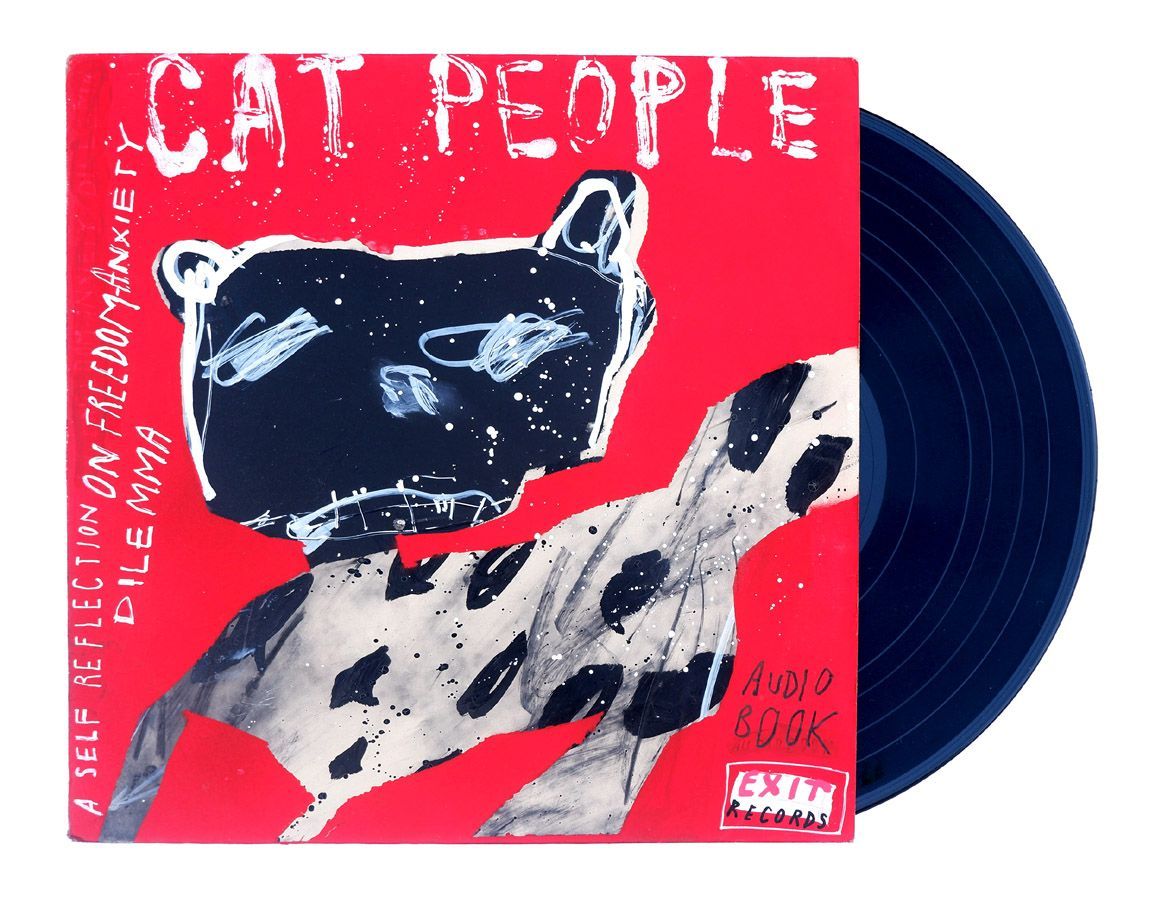
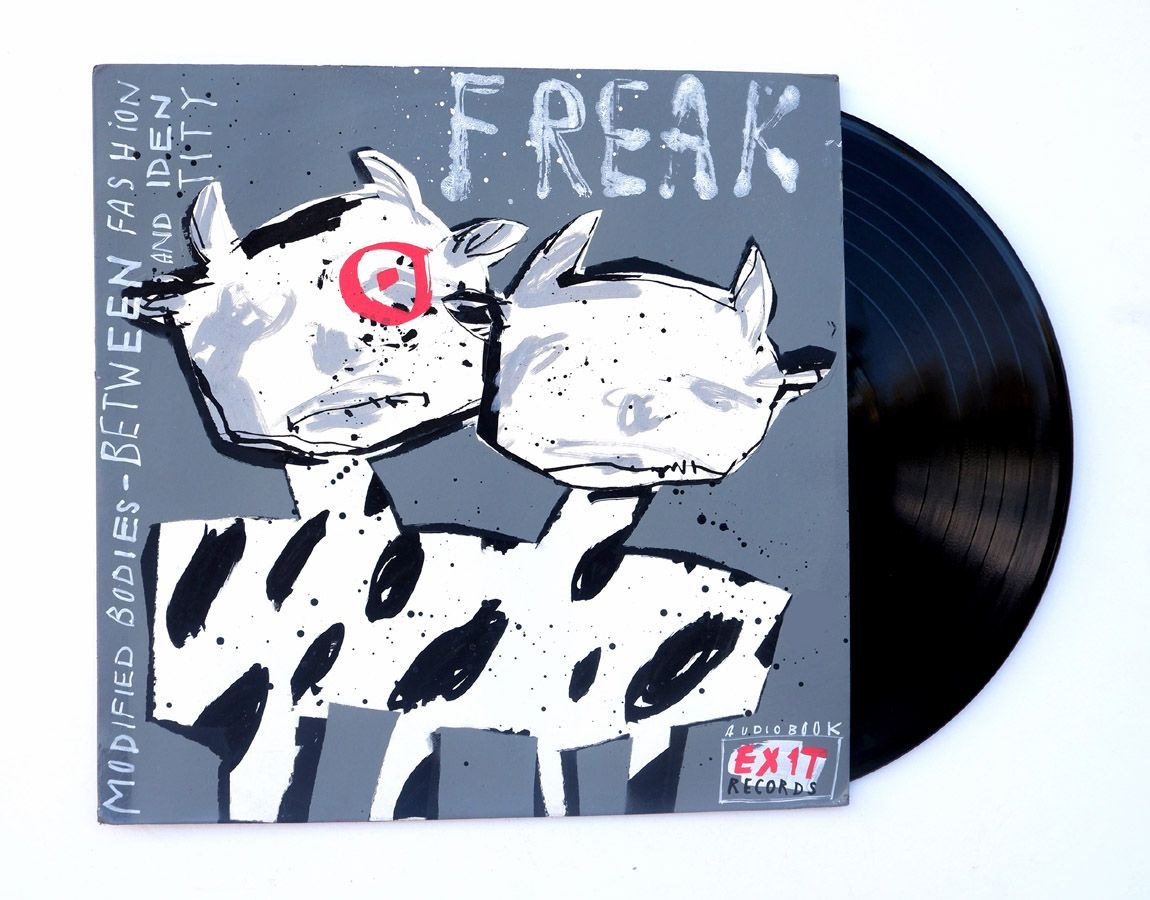
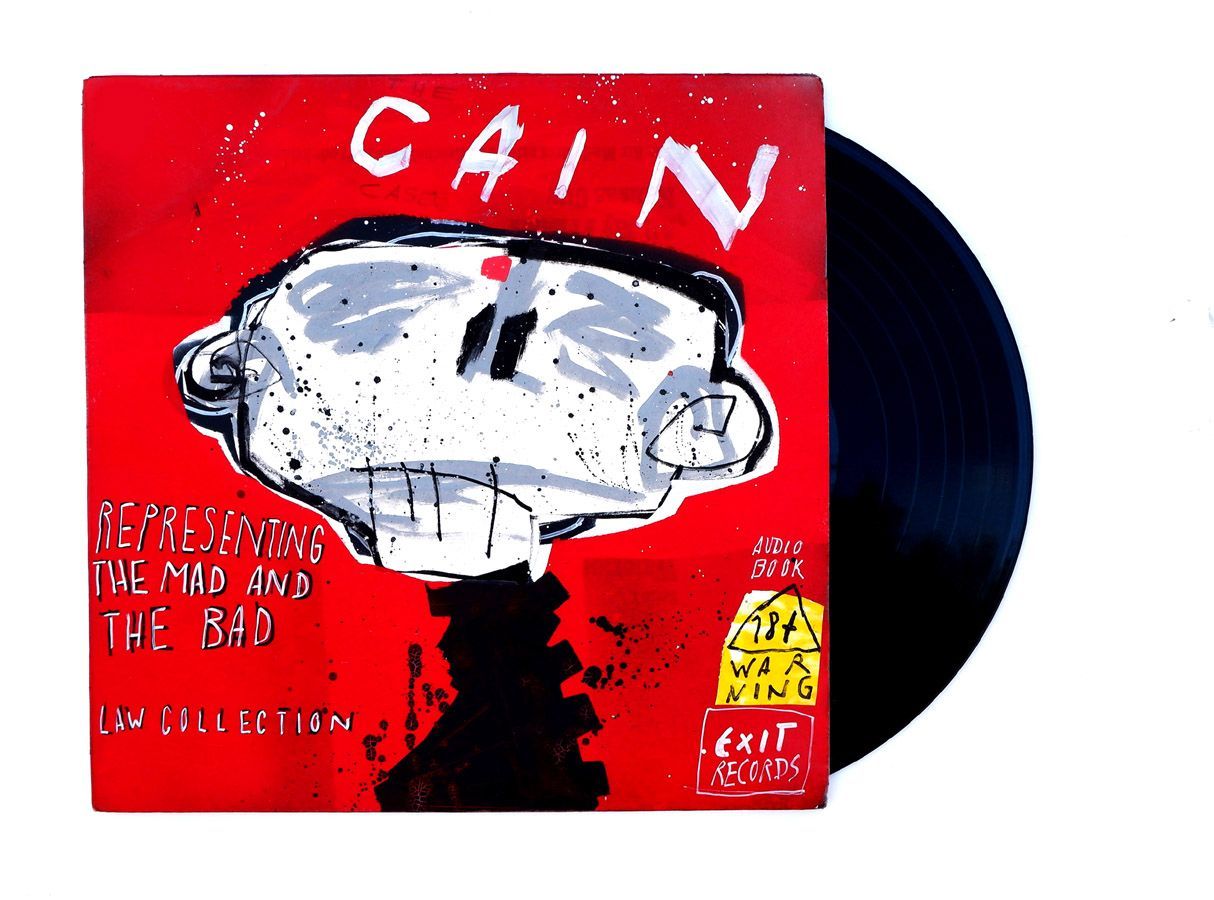
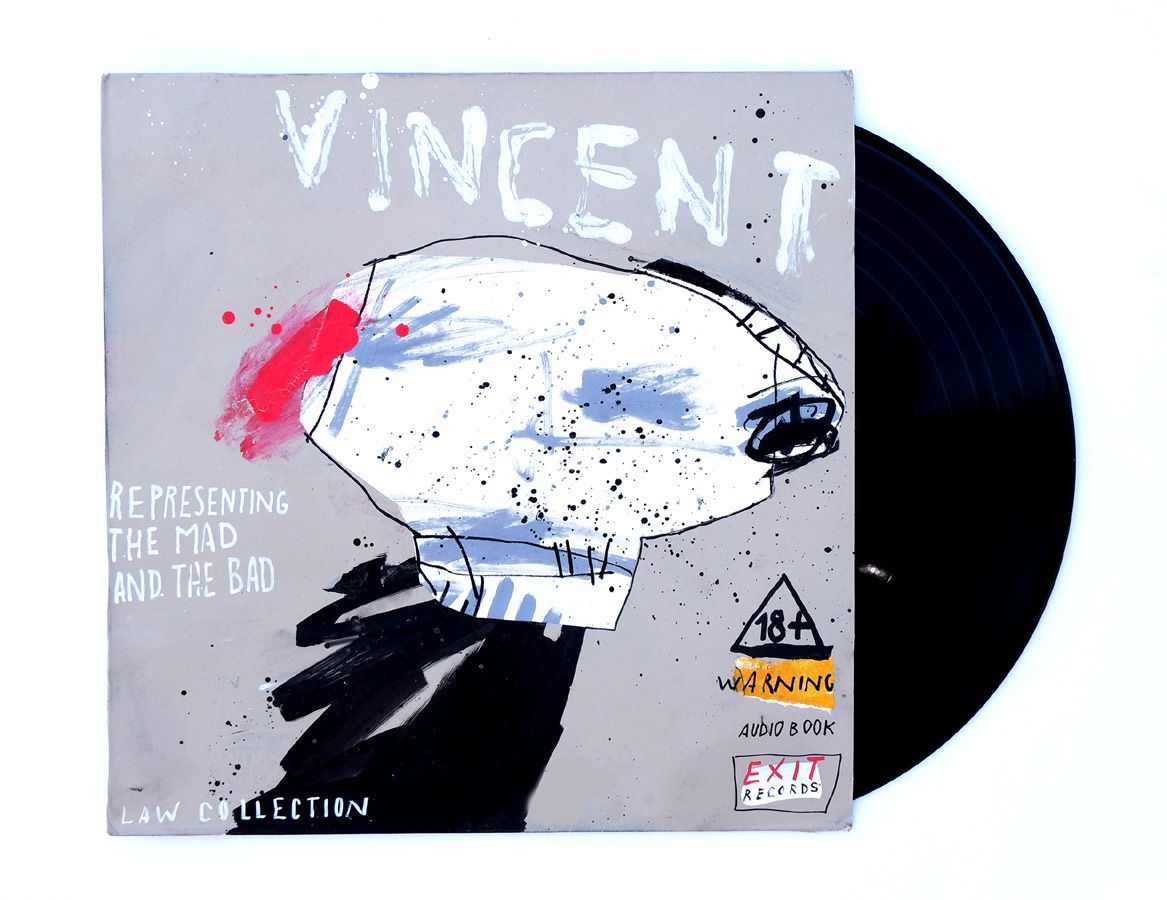
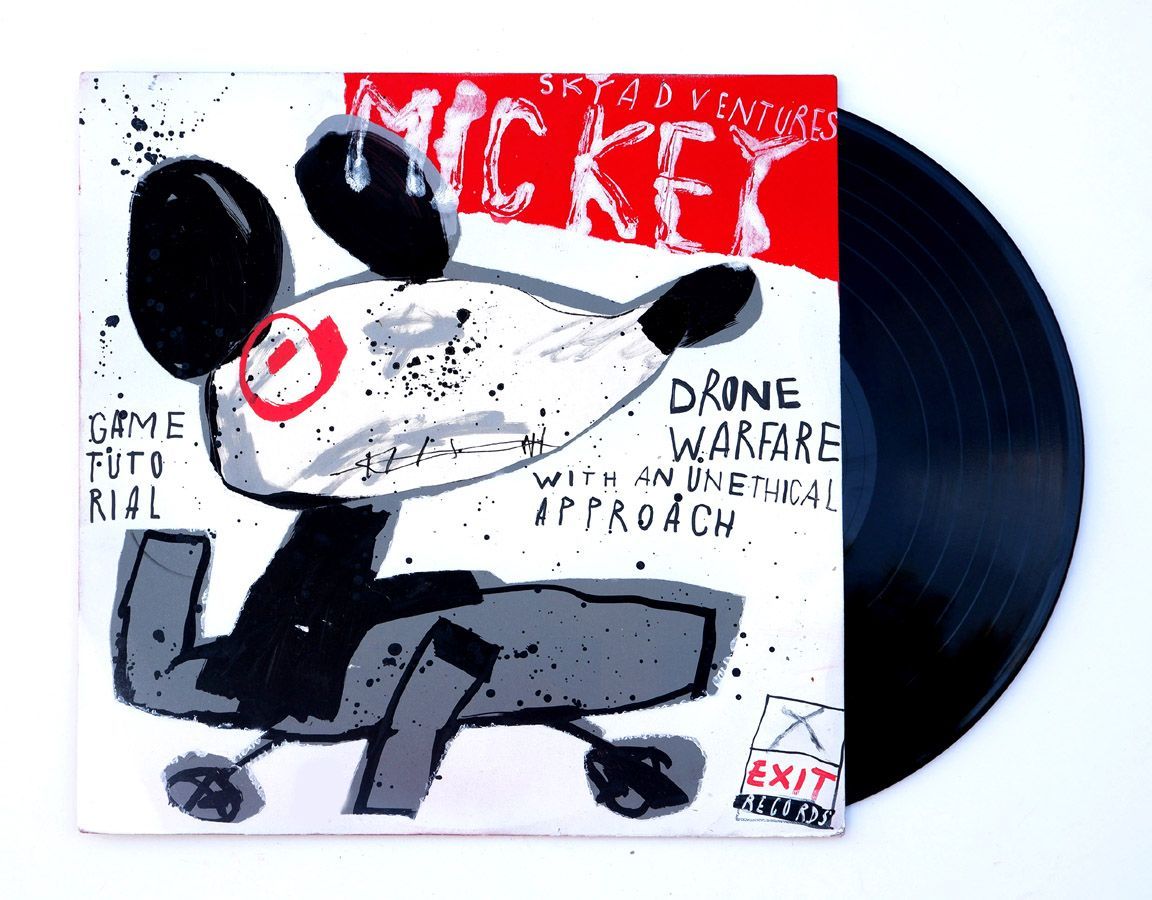
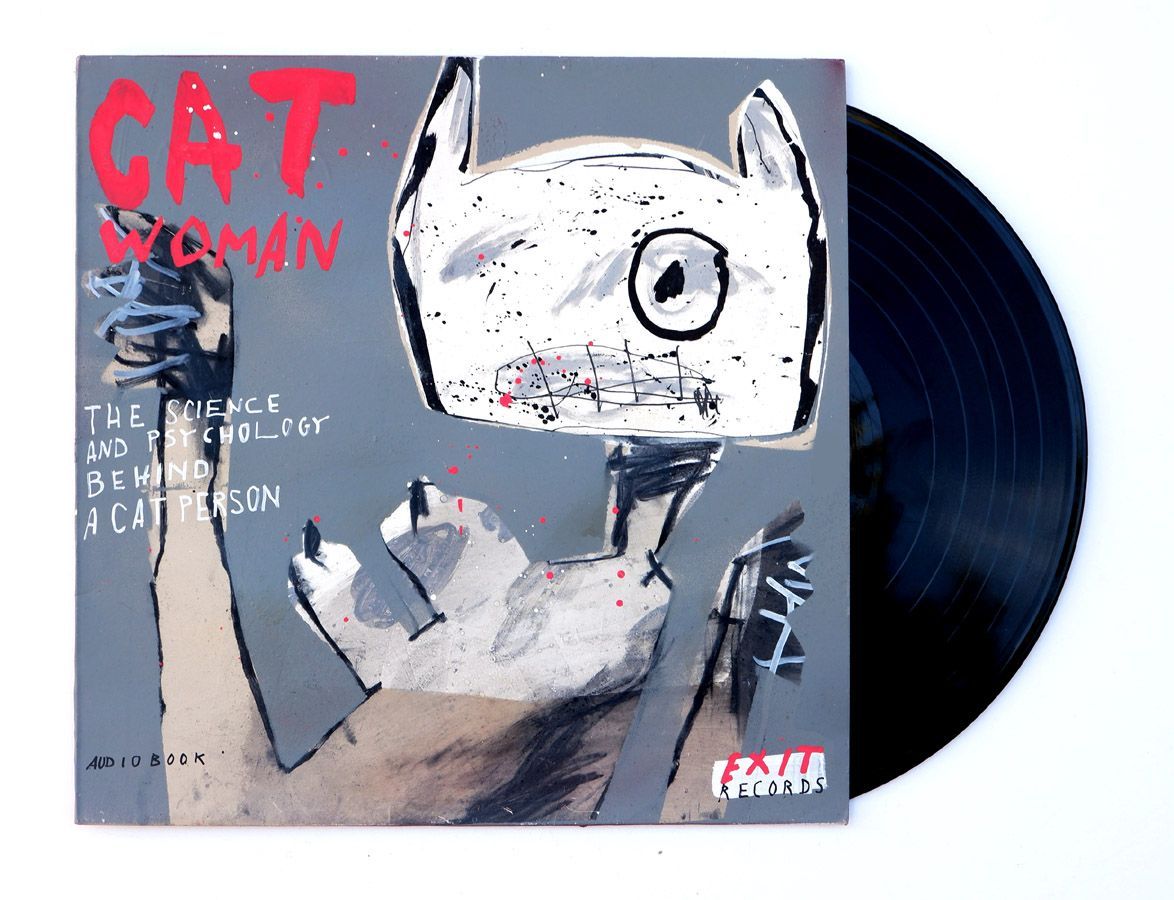
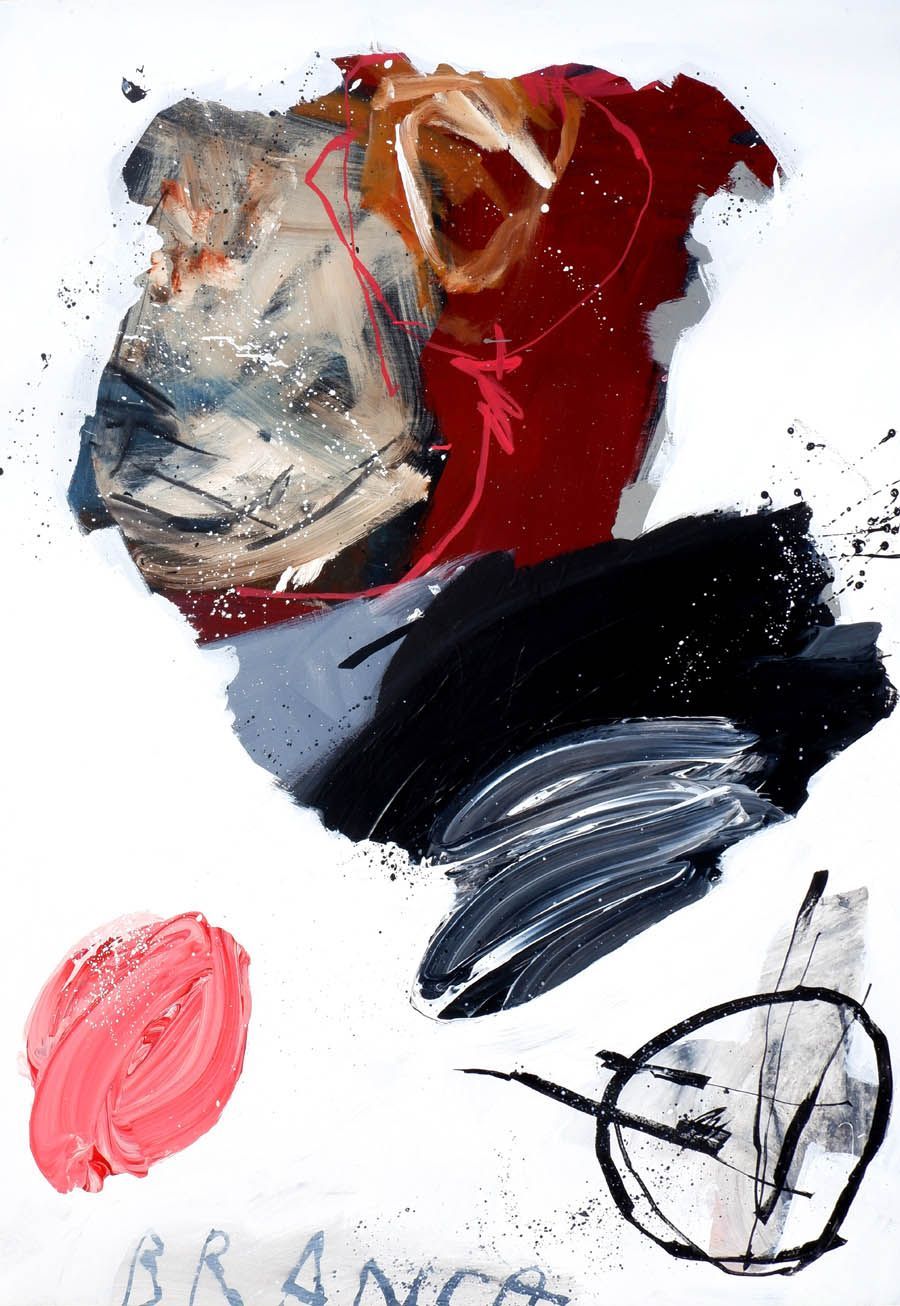
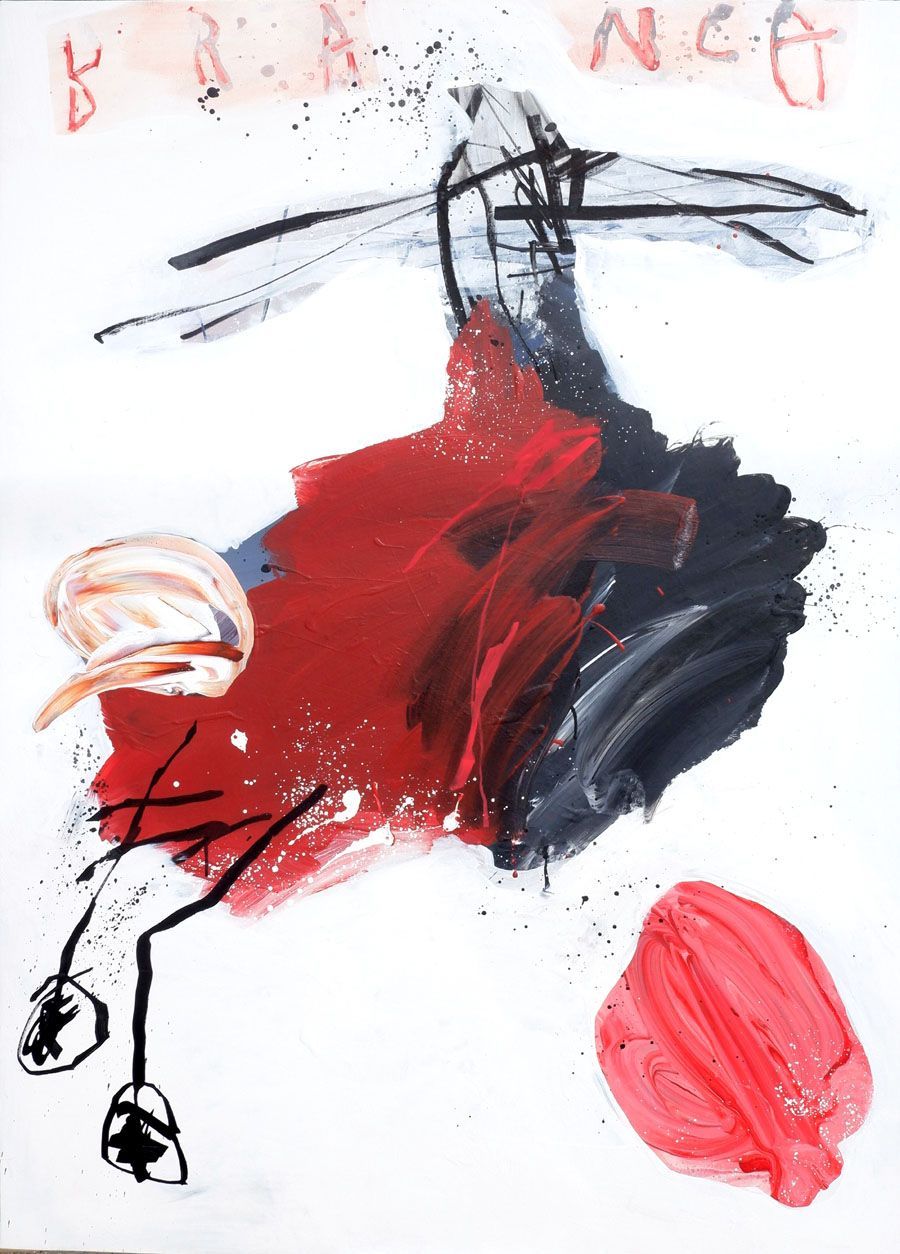
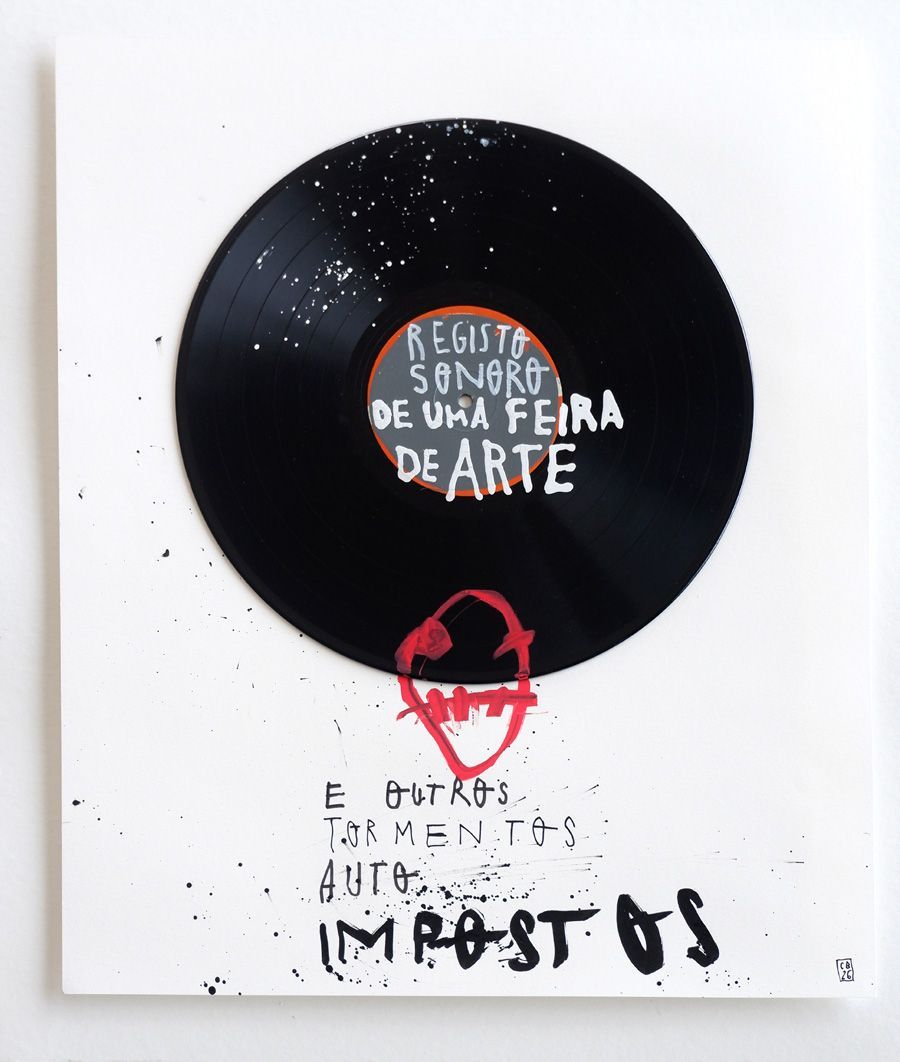
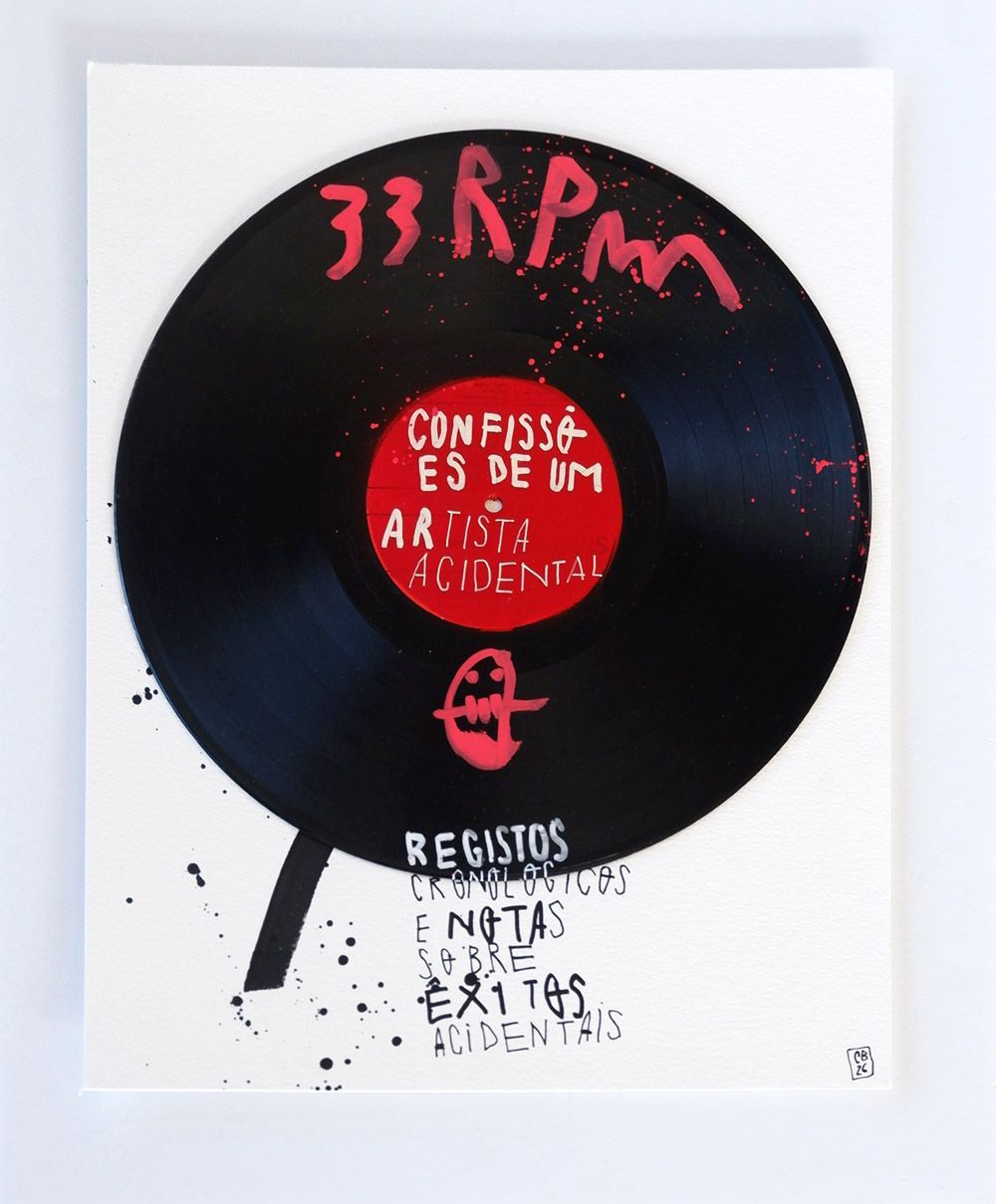
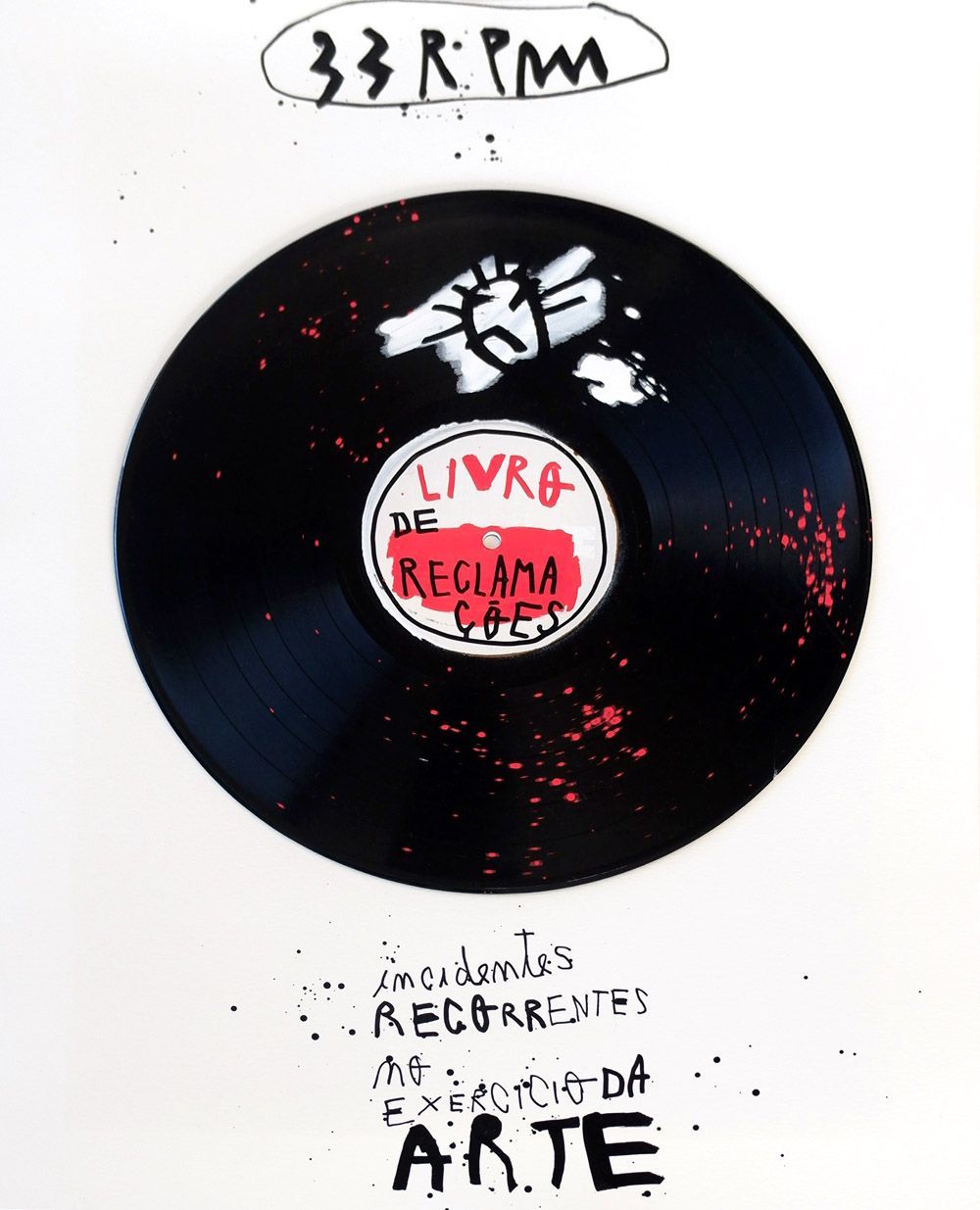
Com “Exit Records”, o foco desloca-se para o extremo oposto. As pinturas sobre capas de vinil, pertencentes a uma editora fictícia, ironizam a aceleração e a superficialidade da contemporaneidade. Aqui não falta estímulo - sobra. As obras abordam, com humor fino e ligeiramente mordaz, as contradições do nosso tempo: queremos autenticidade imediata, profundidade em formato compacto e silêncio com banda sonora. A crítica é subtil, quase elegante - mais observação do que acusação.
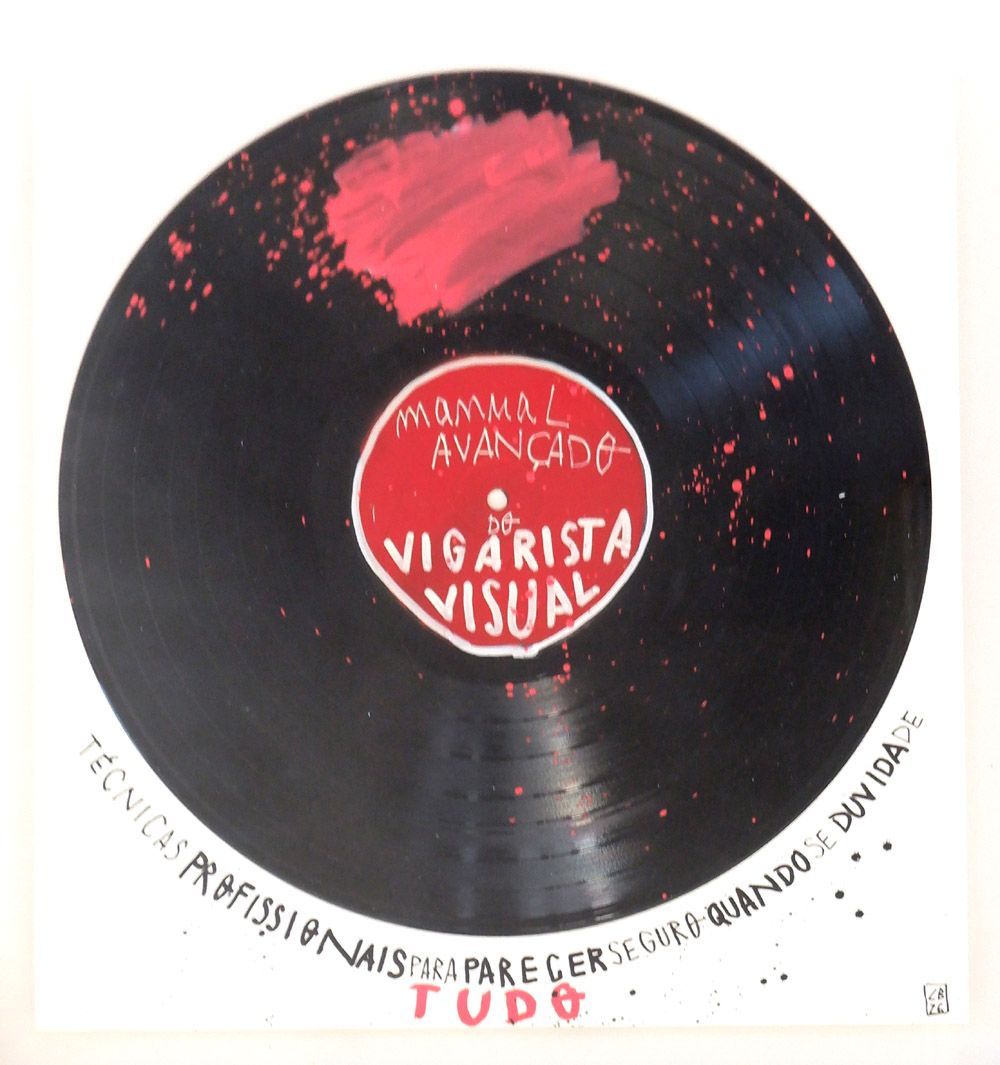
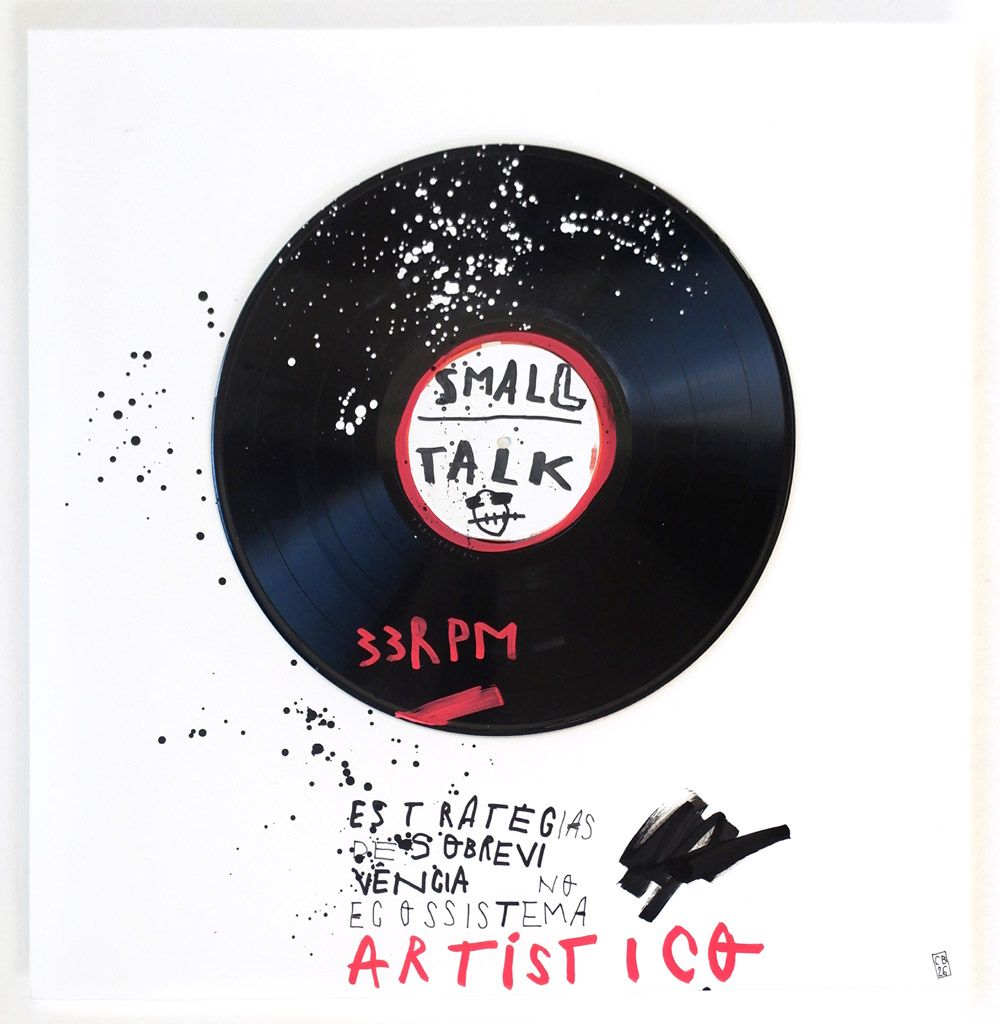
Em “O Síndrome do Impostor”, pequenos desenhos e pinturas sobre discos vinil introduzem a dimensão mais íntima da exposição. O círculo do vinil transforma-se em metáfora do pensamento que gira sobre si mesmo: dúvida, insegurança, sensação de ilusão e o faz de conta que muitas vezes habita o mundo das artes. Com humor cáustico, o artista expõe os mecanismos invisíveis da validação, da expectativa e da permanente suspeita de não estar à altura. Se o branco é perigoso e o excesso é exaustivo, a dúvida é inevitável… e curiosamente produtiva.
Em síntese, O Perigo do Branco não fala apenas de estímulo ou ausência dele. Fala da forma como navegamos entre extremos e construímos sentido nesse percurso. A exposição sugere, com ironia discreta, que talvez o verdadeiro perigo não esteja no branco, nem no ruído, mas na incapacidade de rir - ainda que subtilmente - das nossas próprias idiossincrasias.
The Danger of White
| Carlos Barão
The child lying in a cradle, staring at a blank ceiling, faces more than emptiness — it is their first encounter with the absence of stimulation. From this inaugural moment emerges The Danger of White: not as a defense of noise, but as a reflection on the extremes that shape our perception of the world.
Between hypostimulation and the hyperstimulation of contemporary culture lies a more subtle territory: doubt. It is within this tension — between silence, excess, and insecurity — that the three strands of the exhibition converge: The Danger of White, Exit Records, and Impostor Syndrome. Three perspectives on the same condition: how we live, how we consume, how we create — and how we doubt.
In “The Danger of White,” white-background paintings explore childhood as a founding metaphor. White ceases to be purity and becomes risk: too little stimulation weighs. The child staring at the ceiling confronts involuntary minimalism that today might pass as aesthetic sophistication. Mobiles appear as small gestures of salvation — objects that move just enough to prevent the gaze from dissolving into emptiness. Perhaps art continues to serve precisely that function: introducing movement where stagnation threatens.
With “Exit Records” the focus shifts to the opposite extreme. Paintings on vinyl record covers from a fictional label ironize the acceleration and superficiality of contemporary life. Here, there is no lack of stimulus — there is excess. With subtle and slightly biting humor, the works address our contradictions: we seek instant authenticity, depth in compact formats, silence with a soundtrack. The critique is elegant — more raised eyebrow than accusation.
In “Impostor Syndrome” small drawings and paintings on vinyl introduce the exhibition’s most intimate layer. The circular record becomes a metaphor for thought spinning upon itself: doubt, insecurity, trickery, and the make-believe often inhabiting the art world. With caustic humor, the artist exposes the invisible mechanisms of validation, expectation, and the persistent suspicion of not being enough. If white is dangerous and excess exhausting, doubt is inevitable — and strangely productive.
Taken together, The Danger of White is not only about stimulation or its absence. It is about how we navigate extremes and construct meaning along the way. The exhibition suggests, with quiet irony, that perhaps the real danger lies neither in white nor in noise, but in losing the ability to smile — even subtly — at our own human inconsistencies.